

18 Reviews
from €24.00 EUR
Validity: 3 Days
Seller: Tiqets
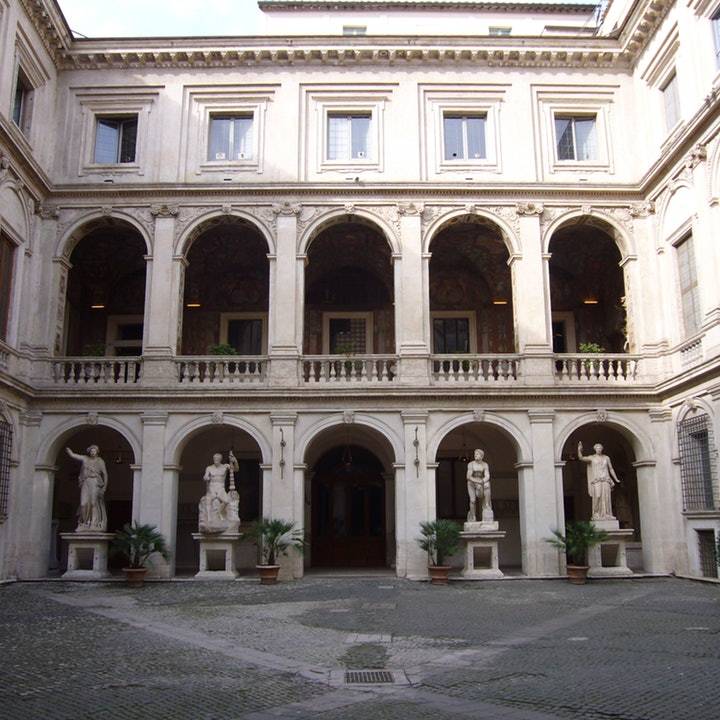
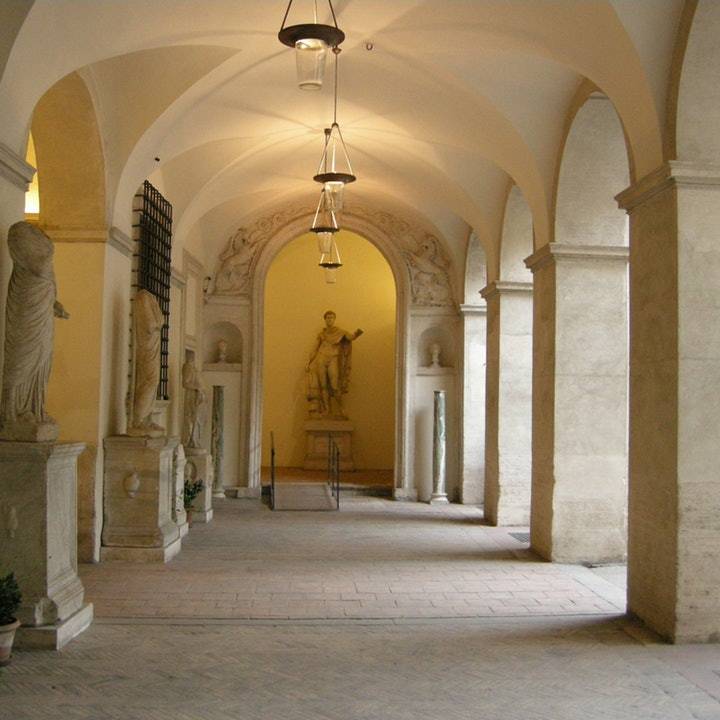
The 4 National Museums of Rome (Palazzo Massimo alle Terme, Palazzo Altemps, Crpta Balbi Museum and Baths of Diocletian) all feature amazing collections of paints, sculptures, jewelry and various other artefacts. This mix ticket provides you access to all 4, and ultra-handy three-day validity means you can tackle them in any order you fancy.
Step into four distinct worlds under one museum umbrella: Palazzo Massimo alle Terme, Palazzo Altemps, the Baths of Diocletian, and Crypta Balbi. Your combined National Roman Museum ticket typically grants one entrance to each site and remains valid for one week from purchase, giving you the freedom to pace your visit rather than rush everything in a single day.
Note: As the official ticketing page notes, Crypta Balbi may be temporarily closed—so it’s wise to check current status when planning
National Roman Museum Tickets with Video Guide
What Your Ticket Includes (and How to Use the Video Guide)
You’re not just buying entry; you’re unlocking a structured, story‑rich experience. The video guide complements each branch with concise, on‑point explainers that help you connect artifacts to their original settings, spot details you might otherwise miss, and follow suggested routes without feeling hurried. Because your ticket is valid across several days, you can visit the sites on seperate mornings or afternoons, letting the video guide pick up right where you left off.
Palazzo Massimo alle Terme – Sculpture, Frescoes, and the Coin Cabinet
If you want a concentrated hit of masterpieces, start here. Palazzo Massimo brings together exceptional Roman sculpture, vivid frescoes and mosaics, and a superb numismatic collection. Among the highlights, you’ll find the Tiber Apollo—a Roman marble copy modeled on a 5th‑century BC Greek bronze—as well as the quietly captivating Young Girl of Anzio. Both are frequently cited among the museum’s most significant works on display at Palazzo Massimo. The video guide’s close‑ups are especially helpful here, pointing out stylistic clues (like hair, drapery, and stance) that identify Greek originals behind Roman copies.
To deepen your visit, take a few extra minutes in the basement galleries to browse the coin and medallion displays. Imperial portraits, rare medallions associated with rulers, and finely struck Renaissance ducats show how imagery and power traveled through money—small items with outsized historical weight.
Palazzo Altemps – Renaissance Rooms and the History of Collecting
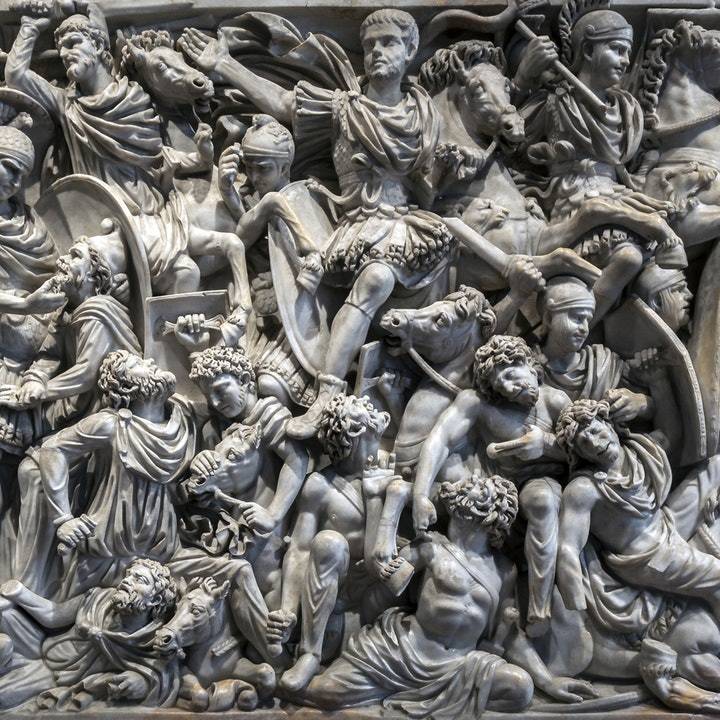
Just steps from Piazza Navona, Palazzo Altemps is a 15th‑century palace where ornate ceilings and original frescoes frame some of Rome’s most storied sculpture collections. This branch interprets the “history of collecting”, revealing how ancient statues were restored, displayed, and admired in Renaissance and Baroque palaces.
The celebrated Ludovisi Throne anchors the narrative: a much‑debated 5th‑century BC marble relief group that has prompted lively scholarly discussion about its subject and authenticity. Seeing it in situ, surrounded by other Ludovisi pieces, lets you appreciate both the artwork and the centuries of connoisseurship that shaped its reputation.
Crypta Balbi – An Excavation Turned Museum
Crypta Balbi presents Rome as a layered time‑capsule, tracing an entire city block in the Campus Martius from the Augustan theater complex to medieval and early modern workshops. Exhibits explain the dig itself—tools, trenches, and stratigraphy—so you can literally read the ground under your feet.
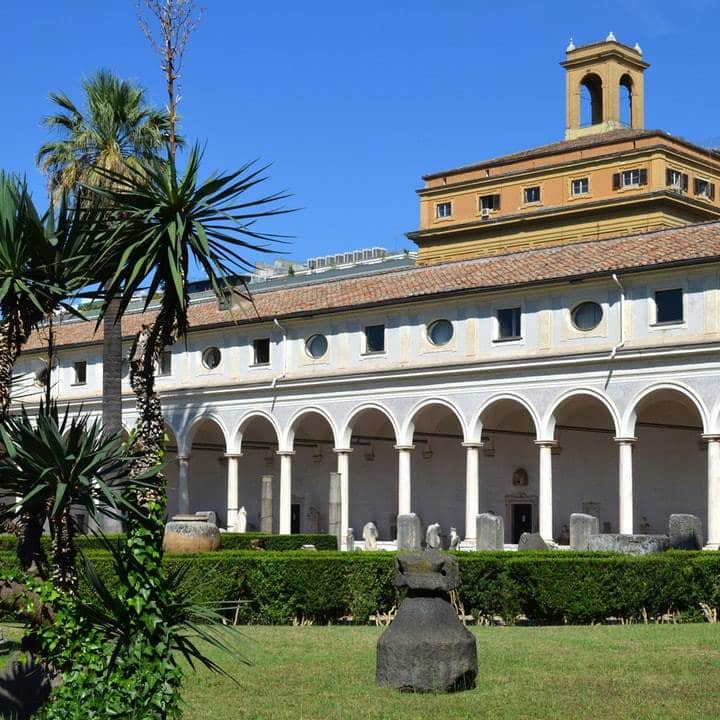
Baths of Diocletian – Michelangelo’s Cloister and a Monumental Setting
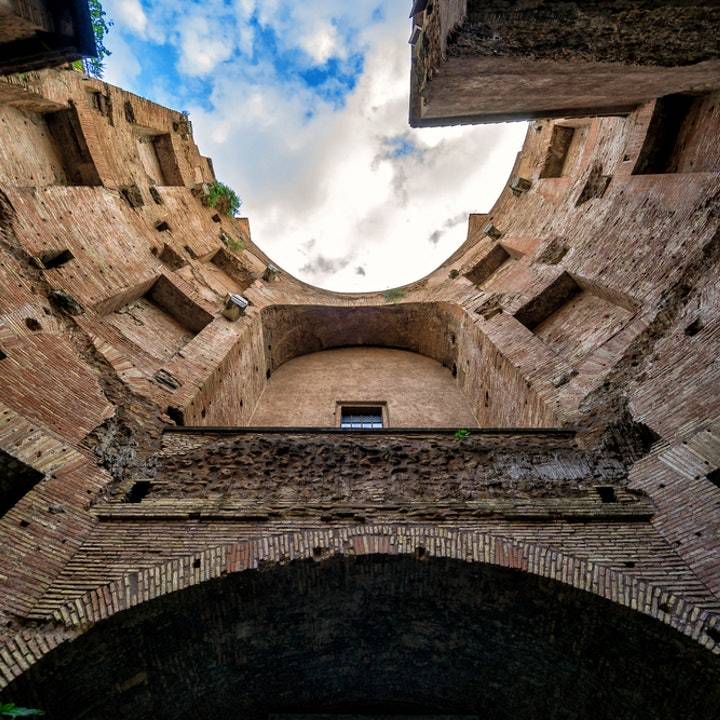
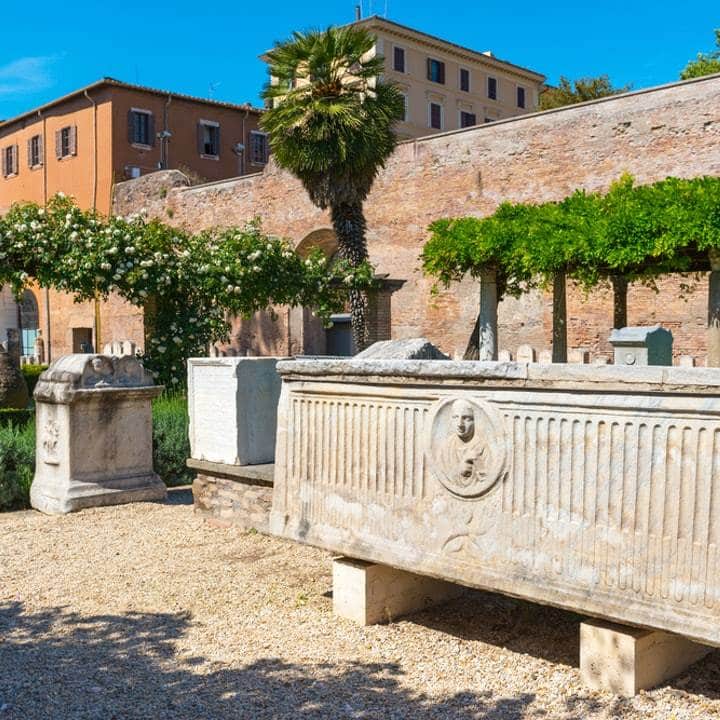
Within the largest bath complex of imperial Rome, you’ll explore epigraphs, inscriptions, and statuary set among soaring walls. In the 16th century, Pope Pius IV tasked Michelangelo—then in his eighties—with transforming parts of the ruins into the church and charterhouse of Santa Maria degli Angeli; the vast cloister widely associated with him was completed after his death. Strolling this space is like walking through a stone‑bound notebook where ancient and Renaissance chapters meet.
Historical Background and Not‑to‑Miss Masterpieces:
Ever wished you could watch two millennia of art evolve in real time? This museum circuit comes close. Roman artists often reinterpreted classical Greek models, and the collections show how that legacy unfolded:
- The Ludovisi Throne (Palazzo Altemps) sits at the heart of debates about subject and authenticity—one reason it fascinates art historians and visitors alike. The relief’s refined carving and enigmatic imagery invite you to look twice and decide what you see.
- The Tiber Apollo (Palazzo Massimo) is a Roman copy of a 5th‑century BCE Greek original, dredged from the Tiber in the 19th century; its smooth planes and poised contrapposto encapsulate classical ideals filtered through Roman taste.
- Hellenistic bronzes in the collection—including the much‑loved Boxer at Rest—bring you startlingly close to ancient individuals; the battered face and scarred body are rendered with empathy and technical brilliance.
- From the Horti Sallustiani (Gardens of Sallust), a Wounded Niobid captures the drama of myth in a single figure—an echo from a larger group that once adorned elite Roman gardens.
- The Young Girl of Anzio offers a quiet counterpoint: elegant, ceremonial, and serene, it hints at private devotions and courtly settings on the coast south of Rome.
Suggested Route with Your Video Guide (Flexible Over 1 Week)
Which branch should you start with? If sculpture is your priority, begin at Palazzo Massimo in the morning, when galleries feel calm and the video guide’s object‑level clips are easiest to savor. After lunch, head to Palazzo Altemps near Piazza Navona for a slower afternoon among Renaissance rooms and famed Ludovisi pieces. On another day, visit the Baths of Diocletian to match inscriptions and architectural fragments with the scale of a true thermae complex. If Crypta Balbi is open, weave it in between as a field‑school‑style stop that turns you into a detective of layers. We move between sites on foot or by a short metro hop; you’ll cover a lot without feeling rushed.
A museum pass rarely feels this cohesive: four addresses, one story, and a guide that helps you see how each fragment fits the larger whole.
- Entry to Crpta Balbi, Palazzo Altemps, Palazzo Massimo and also the Baths of Diocletian,
- Ancient Rome Video Guide (avaible in English and Italian).
- Live guided tour.
Cancellations and changes are not possible for this ticket.
from €269.00 EUR
Duration: 3 Hours
Organizde by: Raphael Tours & Events
18 Reviews
from €148.00 EUR
Organized by: Welcome Italy by Spare Tour S.r.l.
17 Reviews
from €272.00 EUR
Duration: 12 Hours
Organized by: Gray Line I Love Rome
239 Reviews
from €49.00 EUR
Validity: 2 or 3 Days
Seller: Getyourguide
6.154 Reviews
from €56.00 EUR
Duration: 2.5 Hours
Organized by: Eat and Walk Italy
2.096 Reviews
from €210.00 EUR (per group)
Duration: 1 hour
Organized by: ItalyXP.com
12 Reviews
from €66.00 EUR (per group)
Duration: 15 – 45 min.
Organized by: Smiler
22 Reviews
from €199.00 EUR
Duration: 2 hours
Organized by: Naples Together
6 Reviews
from €21.00 EUR
Organized by: Museo Delle Illusioni S.R.L
7.508 Reviews
from €22.00 EUR
Validity: 1-3 Days
Organized by: Big Bus Tours Rome
9.503 Reviews