
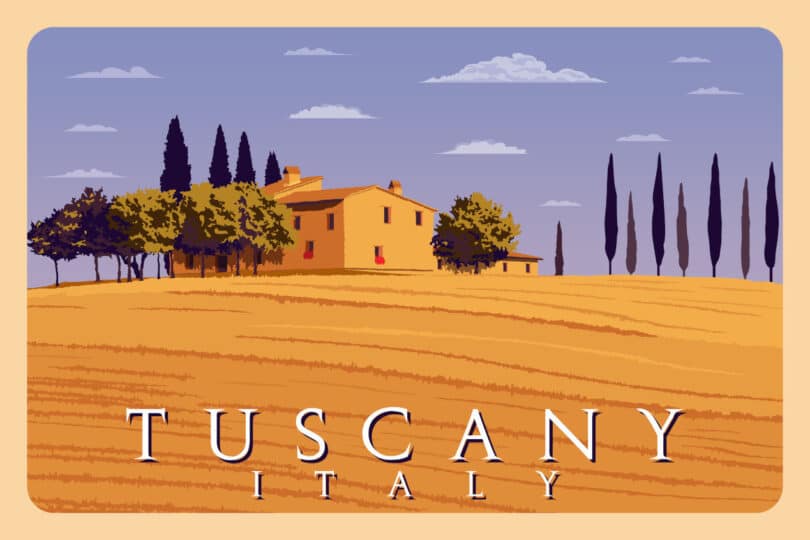
Imagine standing atop a hill town, gazing at a patchwork of vineyards and olive groves glowing under the Tuscan sun. Does it feel like a scene from a Renaissance painting? If you’re planning a trip to Tuscany, get ready – this Italian region will sweep you off your feet with its art-filled cities, medieval villages, world-class wines and idyllic landscapes. Tuscany has long been celebrated as the cradle of the Renaissance and a gastronomic paradise, but it’s also a place where simple pleasures (like a sunset stroll or a gelato on a piazza) become cherished memories.
Tuscany’s charm lies in its diversity. You can wander Florence’s museum-packed streets one day and be pedaling through rolling hills and cypress-lined lanes the next. From art and history to food and nature, there are many place to discover in Tuscany. Let’s explore some of the most unforgettable things you can do in this timeless heart of Italy.


You can reach Tuscany either by car or by plane flying into Rome or Milan and then drive about three hour. Flying to Pisa or Florence is just another option for saving time.
Things to do in Tuscany: Explore Tuscany’s Historic Cities
Tuscany’s cities are living museums that transport you to another era. Each has its own character – Florence dazzles with Renaissance art, Siena preserves medieval traditions, Pisa invites you to solve the mystery of its Leaning Tower, and Lucca wraps you in Renaissance walls and old-world charm.
Florence: Renaissance Treasures in the City of Art
Florence (Firenze) is often considered an open-air Renaissance showcase. Everywhere you turn, there’s a masterpiece waiting – whether it’s Brunelleschi’s massive dome crowning the Cathedral of Santa Maria del Fiore or Michelangelo’s marble David poised to spring to life.Take time to roam the Uffizi Gallery’s halls of world-famous paintings and stroll across Ponte Vecchio, the medieval bridge lined with jewelry shops glowing like treasure chests at dusk. Wondering how to get the best view? Climb the 463 steps to the top of the Duomo’s cupola or head to Piazzale Michelangelo for a panoramic sunset over Florence’s terracotta rooftops. It’s definately worth the effort for that picture-perfect moment.
View of the Duomo from Piazzale Michelangelo – Florence, Italy
Siena: Medieval Splendor and Palio Thrills
With its honey-colored brick lanes and fan-shaped Piazza del Campo, Siena feels frozen in the Middle Ages. Duck into the Siena Cathedral to marvel at intricate black-and-white marble stripes and Renaissance frescoes underfoot (yes, the floor is a work of art). The entire city seems to gather in Piazza del Campo for the Palio di Siena, a centuries-old horse race that turns the square into a swirling arena of color and emotion. This dramatic bareback race takes place twice every summer and has origins dating back centuries – an exhilarating tradition you won’t soon forget if you’re lucky enough to catch it. Even beyond Palio season, Siena’s Gothic architecture and lively contrade (neighborhood) spirit make it a delight to explore.
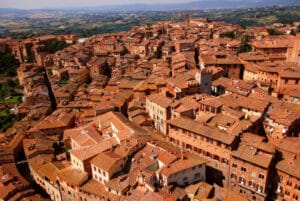
Siena, Italy.
Pisa: The Leaning Tower and Beyond
Pisa’s fame may come from an architectural mishap – the Leaning Tower – but this city offers more than an off-kilter photo op. Head to the Campo dei Miracoli (Field of Miracles), where the iconic white-marble tower tilts beside an ornate baptistery and cathedral, all set against a carpet of green lawn. It’s a sight so impressive that the entire square is a UNESCO World Heritage Site. After snapping the obligatory “holding up the tower” photo, take a stroll along the Arno River to find a quieter Pisa. You might discover local students chatting in cafés (this is a university town after all) or stumble upon the beautiful Santa Maria della Spina church, a tiny Gothic gem perched at the river’s edge. Pisa proves that even the most famous tourist spots have hidden depths if you take time to look beyond the headline attraction.
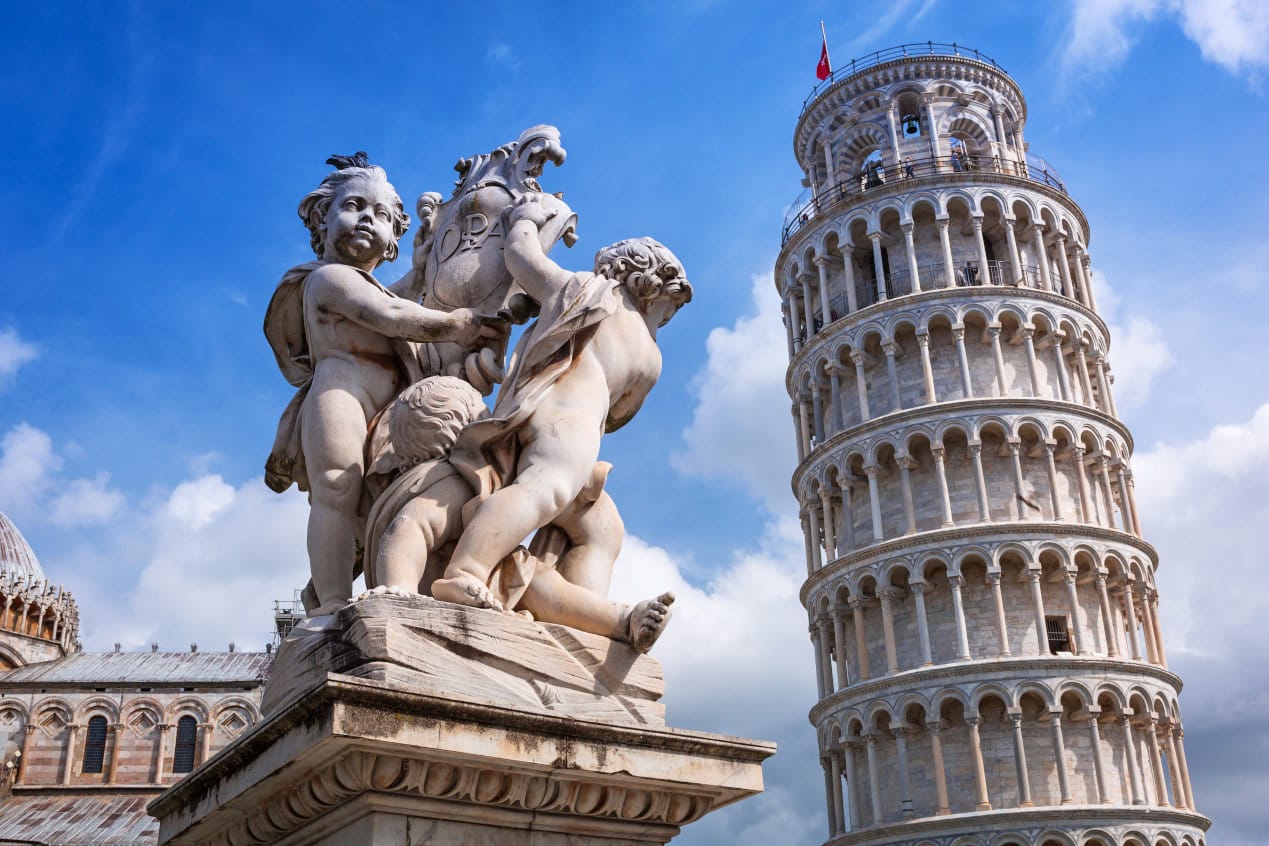
Leaning Tower of Pisa at sunny day, Italy
Lines for the museums can be long, especially during peak tourist season. Try making a museum booking in advance to help save time.
Lucca: Biking the Renaissance Walls
Less visited than its bigger Tuscan sisters, Lucca is a walled city that charms with a slower pace. Renaissance-era city walls encircle Lucca’s historic center completely – and uniquely, they double as a public park up top. Rent a bicycle (or simply walk) along the tree-lined ramparts for a leisurely circuit above the rooftops. Below, a maze of cobbled streets reveals Romanesque churches, cozy piazzas, and delightful shops. One must-see is Piazza dell’Anfiteatro, an oval plaza built on the ruins of an ancient Roman amphitheater – it’s ringed by cafes and flower-decked balconies today. For a literal high point, climb the Guinigi Tower, famous for the oak trees sprouting from its summit. Up there, you’ll feel like you’ve found a secret garden in the sky overlooking all of Lucca. Peaceful and pedestrian-friendly, Lucca invites you to slow down and savor la dolce vita away from bigger-city bustle.
Discover Enchanting Hilltop Towns
Tuscany’s countryside is dotted with storybook hilltop towns where time slows and every corner holds a postcard view. These smaller communities let you step right into the pages of history – or maybe into a movie set. (Have you seen Under the Tuscan Sun? Towns like Cortona inspired that idyllic vibe.)
Perched high above vineyards and golden fields, Montepulciano is one such gem of a town. It unfolds along a ridge, its streets leading you past Renaissance palaces and down into cool wine cellars aging the locally beloved Vino Nobile red wine. From Montepulciano’s panoramic terraces, you can gaze out at the Val d’Orcia – a UNESCO-listed valley that looks like a Renaissance painting come to life with gentle hills, solitary farmhouses, and winding roads flanked by cypress trees. Nearby Pienza is another jewel: a tiny Renaissance “utopia” designed in the 15th century by Pope Pius II. Stroll Pienza’s perfectly planned streets and sample its famed pecorino cheese – the whole town smells like an Italian cheese shop, in the best way!
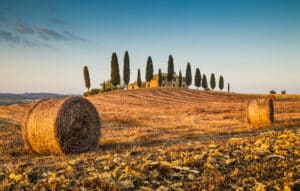
Val d’Orcia
Not far away rises San Gimignano, proudly crowned by medieval towers. In the Middle Ages there were over 70 towers here (built by feuding noble families showing off their power); today 14 still pierce the sky, earning San Gimignano the nickname “Medieval Manhattan.” Climb the tallest tower, Torre Grossa, for a bird’s-eye view of the town’s red rooftops and the patchwork countryside beyond. Down in the main piazza, treat yourself to a gelato – maybe from the world-champion gelateria – and imagine life here centuries ago when merchants and pilgrims traversed these same stones. Other hill towns each offer their own magic: Volterra whispers of Etruscan mysteries and alabaster art, Montalcino beckons wine lovers with its Brunello vintages, and Cortona (with roots even older than Rome) exudes an intimate charm atop its hill. Seek out a local enoteca (wine bar) or a hidden courtyard trattoria in these villages; you might find yourself chatting with friendly locals over a glass of wine as the sun sets. The slower pace and breathtaking views in Tuscany’s hilltop towns will steal your heart.

Italy. Tuscany. City on the rocks Pitigliano
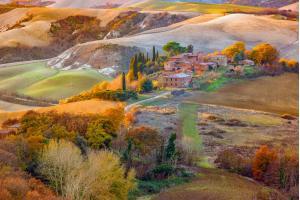
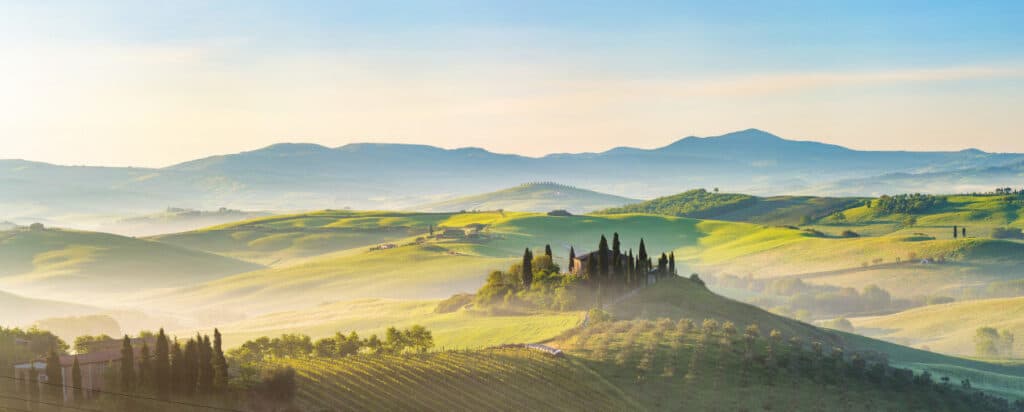
Things to do in Tuscany – Landscape panorama, hills and meadow, Toscana – Italy
The Tuscany region also has some great parks to visit for those travelers looking for the outdoor experience in a beautiful countryside setting. Check out the National Park of the Tusco-Emilian Apennines, The National park of the Tuscan Archipelago, and the Maremma Regional Park, just to name a few!
Savor Tuscany’s Wine and Culinary Delights
One of the pure joys of Tuscany is indulging in its food and wine – this region is the undisputed culinary soul of Italy. From bold red wines to rustic recipes passed down through generations, Tuscany invites you to literally taste la dolce vita.
Wine Tasting in Vineyards of Chianti and Beyond
The rolling hills between Florence and Siena are home to Chianti, arguably Italy’s most famous wine region. As you drive or cycle through Chianti, you’ll notice the black rooster symbol on winery signs – that’s the mark of Chianti Classico, the historic heart of Chianti wine country. Many estates welcome visitors for tours and tastings, where you can walk through sun-dappled vineyards, peek into cellar barrels, and then sip robust Sangiovese-based wines with notes of cherry and spice. It’s not only Chianti that wine enthusiasts seek out here. Tuscany’s variety will delight you: perhaps you’ll savor a glass of Brunello in the hill town of Montalcino or try the Vino Nobile in Montepulciano where it’s been produced since the 14th century. Even white wine has its star – Vernaccia di San Gimignano, a crisp white produced around the “Town of Towers.” Many wineries pair their tastings with local olive oil samples or bites of pecorino cheese, rounding out the experience. Whether you’re a casual wine drinker or a connoisseur, touring Tuscan wineries is a journey through flavor and tradition. Don’t worry if you’re not an expert – Tuscans are proud of their wines and love to share them, so you’ll learn as you sip.
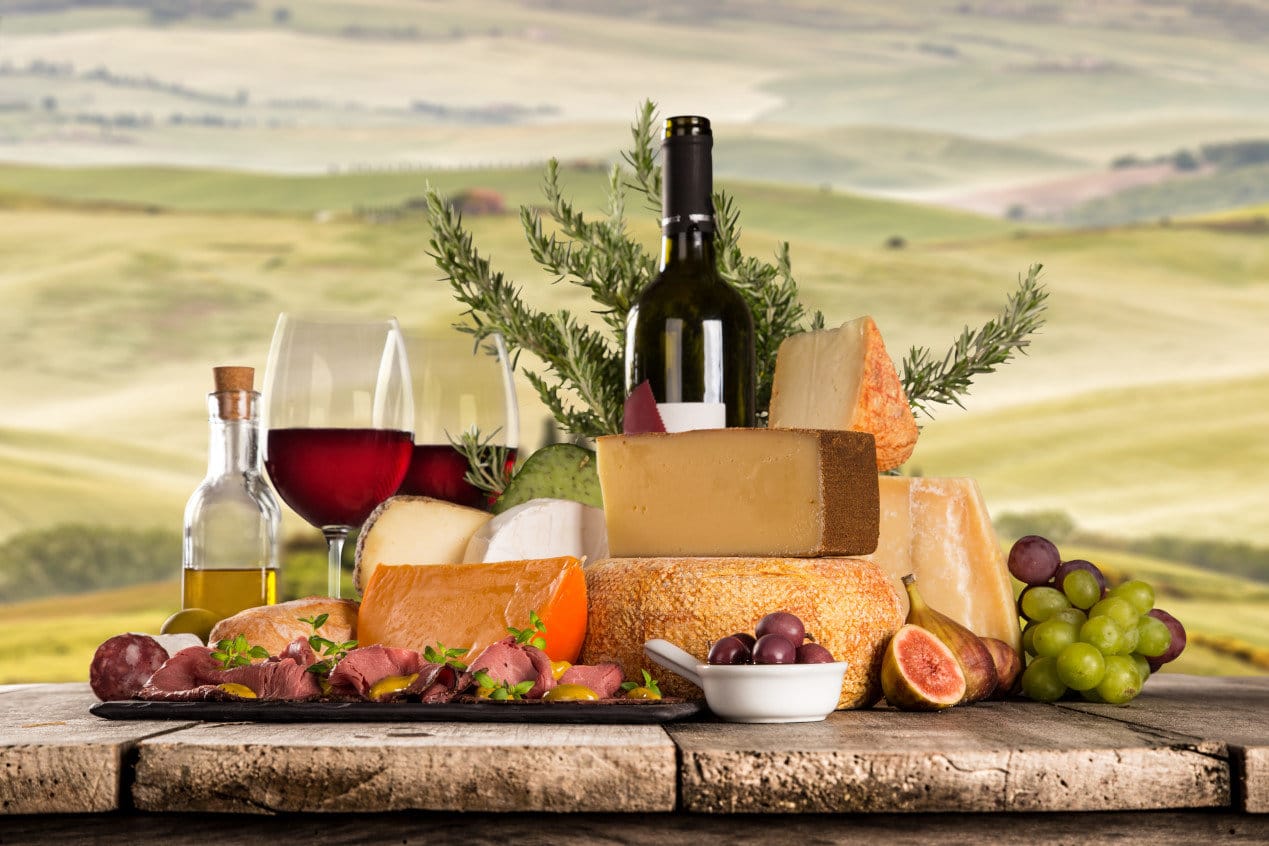
Delicious cheeses with red wine on wooden table. Italian countryside, Tuscany.
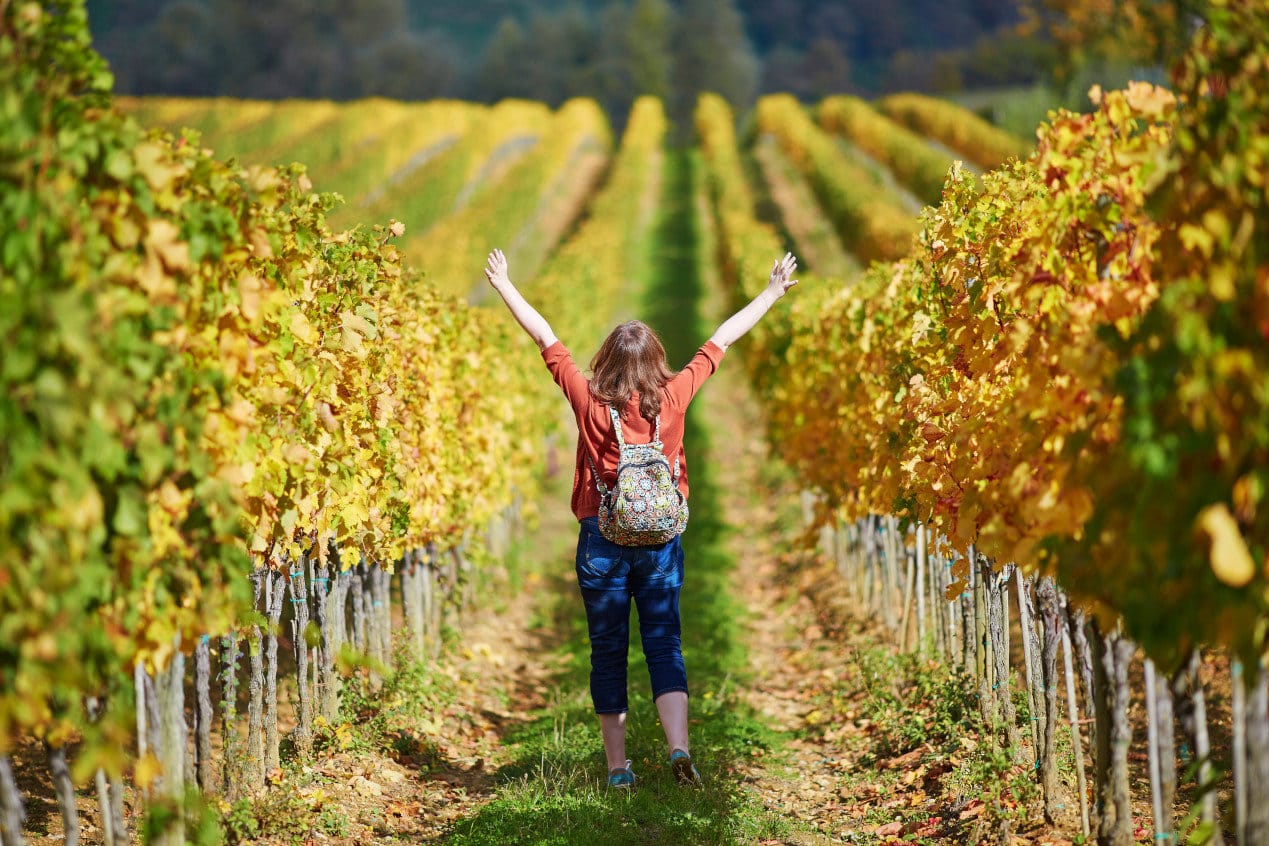
Woman tourist walking in Tuscan vineyards in Val d’Orcia, Tuscany, Italy
Cooking Classes and Truffle Hunts: A Taste of Tuscany
Tuscany’s love affair with food is contagious, and there’s no better way to appreciate it than by rolling up your sleeves. Sign up for a hands-on cooking class, perhaps at a countryside agriturismo (farm stay) or in a chef’s Florentine kitchen, where you’ll learn to make pasta from scratch or perfect a hearty ribollita soup. Imagine kneading dough for pappardelle pasta or tossing together a tomato panzanella salad with sun-ripened vegetables you picked from the villa’s garden. These classes are fun, tasty, and give you skills to recreate a bit of Tuscany back home.
If you crave a more adventurous gourmet experience, try truffle hunting. Yes, those pricey aromatic fungi hide beneath Tuscan oak forests, especially around San Miniato which is famed for its white truffles. Local truffle hunters, often with their trusty dogs, can take you on a woodland trek to sniff out these buried treasures. It’s a thrill to watch a dog excitedly paw at the earth, and even more thrilling when a prized truffle is unearthed! In fact, roughly a quarter of Italy’s white truffles come from the San Miniato area. Many tours end with a truffle tasting or meal so you can savor the intense flavor shaved over fresh tagliolini pasta or eggs. And if you visit in November, don’t miss the San Miniato Truffle Festival, where the whole town fills with the heady aroma of truffles and food stalls celebrate the harvest.
Of course, everyday Tuscan cuisine will enchant you even when you’re not truffle hunting or cooking with a nonna. Be sure to try the bistecca alla fiorentina, a colossal T-bone steak grilled over wood coals, ideally shared among friends with a jug of local red. Nibble on antipasti of crostini topped with chicken liver pâté, and finish off with cantucci almond biscuits dipped in vin santo wine for dessert. Food in Tuscany isn’t just meals – it’s culture and community. So take your time at dinner, clink glasses, and say “Salute!” as the Tuscans do.
Relax in Tuscany’s Thermal Springs and Spa Towns
Dreaming of some relaxation amid your adventures? Tuscany has an ancient secret: thermal springs bubbling up from deep underground, which have soothed travelers since Roman times. Scattered across the region are natural hot springs and historic spa towns where you can soak your cares away, surrounded by quintessential Tuscan scenery.
One of the most enchanting spots is the Cascate del Mulino at Saturnia – a series of cascading geothermal pools tucked in the Maremma countryside. Here, mineral-rich water flows out of the earth at a constant, soothing ~37°C (98°F), forming milky blue pools and gentle waterfalls. Best of all, these springs are open to the public for free, day or night. Imagine soaking in warm, sulphur-scented waters under a starry sky – it’s an unforgettable, almost otherworldly experience. (Insider tip: go early in the morning for fewer people, as Saturnia has become quite popular in peak season!)
hot springs at Saturnia thermal baths, Grosseto, Tuscany, Italy
Tuscany offers other thermal havens too. Bagno Vignoni, in the Val d’Orcia, is a tiny village built around a massive steaming pool right in its central square – a spa spot enjoyed since medieval times (St. Catherine of Siena bathed here). While you can’t jump into the town square pool today, a short walk downstream leads to natural hot water streams where locals dip their feet. For a unique sight, visit Bagni San Filippo near Monte Amiata: its forested hot springs have formed striking white limestone formations nicknamed the “White Whale.” It’s like soaking next to a natural sculpture.
If luxury and wellness treatments are more your style, head to Montecatini Terme, a belle-époque spa town that attracted European nobility in the 19th century. Grand thermal bathhouses with Art Nouveau decor offer therapeutic soaks, mud baths, and massages. Montecatini’s thermal establishments are so significant they were recently recognized as a UNESCO World Heritage Site as part of Europe’s historic spa towns. Whether you choose a wild outdoor spring or an elegant spa resort, enjoying Tuscany’s thermal waters is a rejuvenating treat for body and soul.
Embrace the Outdoors: Hiking, Biking and More
Beyond its cities and villages, Tuscany’s natural landscapes beckon you to come outside and play. The region’s gentle climate and varied terrain make it a paradise for activities like biking, hiking, horseback riding, and even hot-air ballooning – all fun ways to soak in the scenery and work up an appetite for your next Tuscan meal.
Cycling Through Vineyards and Villages
Bicycling is practically a way of life here, and you’ll see why once you pedal through a sun-kissed vineyard or coast down a cypress-lined avenue. Many visitors love to rent a bike (or join a guided cycling tour) to explore the countryside at a leisurely pace. You could cycle between wineries in Chianti, feeling the breeze and smelling the grapevines as you hop from one tasting to another (just pace yourself!). For a dose of nostalgia, some tours offer vintage Vespa scooters or classic Fiat 500 cars – riding a bright Vespa past golden hay bales and hilltop castles is the very image of la dolce vita. In Tuscany’s towns, biking is delightful as well. As mentioned earlier, you can pedal atop Lucca’s walls, and in many flat areas – like the paths along the Arno River in Florence – it’s an easy ride even for families. Every year, Tuscany also hosts L’Eroica, an event where cyclists from around the world ride through the Chianti hills on old-fashioned bikes, celebrating the glory days of cycling. Even if you’re not here for that, you might stumble upon friendly local cyclists who greet you with a cheery “Ciao!” as you share the country roads.
Hiking Trails and Natural Parks
If hiking boots are more your speed, Tuscany has plenty of trails to tread. In fact, with more than 120 protected nature reserves across the region, you’re never far from a great hike. Trekking the Via Francigena is a popular choice – this ancient pilgrim route cuts through Tuscany on its way to Rome, leading you through rolling wheat fields, oak woods, and stone villages that have welcomed travelers for centuries. You can hike scenic sections, like from San Gimignano to Monteriggioni, enjoying sweeping views and a tangible sense of history under your feet. For mountain lovers, venture into the Apuan Alps (northwestern Tuscany) where well-marked trails lead to marble quarries gleaming white against the peaks – the very quarries where Michelangelo selected blocks for his sculptures. Or head to the Apennine range on the region’s northeastern border: the forested Casentino National Park offers shaded paths to remote monasteries, while further south, Monte Amiata (an extinct volcano) provides cooler high-altitude treks in summer and even a bit of skiing in winter.
Tuscany’s coastal parks also beckon hikers. Try a trail in the Maremma Regional Park where you might spot wild boar or deer among coastal pine woods and dunes, or take a ferry to Elba Island and hike up Monte Capanne for a breathtaking panorama of the Tuscan Archipelago scattered in the Tyrrhenian Sea. Whether you’re walking through vineyards, climbing medieval stone steps to a hilltop fortress, or following a wooded trail to a hidden waterfall, the Tuscan landscape will keep surprising you. Just remember to bring water, wear sunscreen under that Tuscan sun, and perhaps pack a picnic of local bread, cheese, and olives – you never know when you’ll find the perfect hill with a view to stop for lunch.
Bask on the Tuscan Coast and Islands
Sun and sand in Tuscany? Absolutely! This land of vineyards and art cities also boasts a delightful coastline and a sprinkling of islands, offering a refreshing change of scene during your travels. In fact, seaside escapes are a big part of local life – about 40% of tourist arrivals in Tuscany are for seaside tourism, and the region’s most visited summer destination isn’t Florence or Siena but the beach town of Castiglione della Pescaia.
Along Tuscany’s northern coast, the Versilia region is famous for its long sandy beaches backed by trendy beach clubs and lively resorts. Towns like Viareggio (known for its Liberty-style architecture and Carnival celebrations) and Forte dei Marmi (upscale and chic) offer classic Italian summer vibes – think colorful umbrellas, gelato stands on the promenade, and mountains rising just inland. Further south, you’ll find more secluded shores. The Maremma coast, for instance, has unspoiled beaches like those in Monti dell’Uccellina National Park, where pine forests meet the sea. Castiglione della Pescaia, as mentioned, is a beloved spot – it blends medieval charm (its hilltop castle and cobbled alleys) with modern beach relaxation down below. It’s easy to spend a day swimming, then wander up into town for a seafood dinner as the fishing boats bob in the harbor.
Tuscany’s islands each have their own allure. Elba is the largest and most famous – known as Napoleon’s one-time place of exile, it’s now a laid-back haven of clear blue waters, rugged hiking paths, and pretty port towns. Snorkel or dive in Elba’s protected marine areas to see vibrant fish, or take a cable car up to Monte Capanne for a panoramic island view. Closer to the mainland, the smaller island of Giglio charms visitors with its pink and gold granite cliffs and translucent coves (Giglio Porto’s waterfront looks like a postcard come to life). And don’t overlook Capraia – a remote isle, once a penal colony, now loved by hikers for its wild trails and by boaters for its secret grottos. Whether you sail around the Tuscan Archipelago or just hop a ferry for a day trip, experiencing the sun-drenched coast adds another dimension to your Tuscan trip. It’s the perfect way to cool off, slow down, and enjoy la dolce vita by the Tyrrhenian Sea.
Tuscany Through the Seasons: Tips for When to Visit
Tuscany is a year-round destination, but each season brings its own atmosphere and activities. Here are some seasonal highlights and tips to help you plan:
Spring (March–May): Blooming Landscapes and Festivities
Spring in Tuscany is pure magic. As early as March, wildflowers start to blanket the hills and fruit trees blossom with pink and white petals. By April and May, the countryside is lush green and temperatures are comfortably warm (around 15–20°C in the day). It’s the perfect time for hiking and cycling before the real heat hits. You’ll find local sagre (food festivals) celebrating spring crops like asparagus or artichokes in small towns. Easter is a big deal here too – Florence’s Scoppio del Carro (Explosion of the Cart) on Easter Sunday is a fiery folk tradition where a decorated wagon full of fireworks goes off with a bang in front of the Duomo. And after Easter, many families head out for Pasquetta (Easter Monday) picnics in the countryside – why not follow their lead with your own Tuscan picnic? Just pack some fresh pecorino cheese, salami, and bread, and enjoy under a blooming pergola.
Summer (June–August): Sun-soaked Days and Lively Nights
Summer is high season for Tuscany, with long sunny days that are fantastic for late evening strolls – but also midday heat that’ll have you craving gelato and shade. In cities like Florence or Siena, temperatures can soar above 30°C (86°F) in July and August, and tourist crowds peak. The payoff is a festive atmosphere: summer is when many towns hold historical parades, outdoor concerts, and food fairs. In June, Florence celebrates its patron saint with fireworks and the gritty medieval sport Calcio Storico (historic football) played in costume. July brings Siena’s Palio horse race (on July 2, with a second Palio on Aug 16) – if you plan to attend, book well ahead and be prepared for a thrilling, packed Piazza del Campo. On warm evenings, city squares fill with people enjoying la passeggiata (evening walk) or dining al fresco. If you visit in summer, consider scheduling outdoor activities (like hikes or site visits) for early morning or late afternoon to avoid the hottest part of day. And do as the locals do: escape to the coast or higher elevations if you need a break from the heat. Even a day trip to a breezy hill town or a dip in the sea can be a refreshing reset.
Autumn (September–November): Harvest Time and Golden Hills
As summer fades, autumn paints Tuscany in wonderful hues. September is still quite warm and is vendemmia (grape harvest) time. Vineyards come alive with teams picking grapes, and many wineries host harvest experiences or grape-stomping events for visitors. By late September and into October, the weather is mild and generally sunny – prime time for sightseeing and outdoor adventures without the crowds. The countryside slowly changes color: vineyards turn gold and red, and forests in the mountains blaze with autumn foliage. This season is a paradise for foodies. You’ll find countless village festivals celebrating the harvest: wine festivals, olive oil tastings (the new olive oil pressed in November is vibrant green and peppery), and truffle fairs. In fact, October and November are peak truffle hunting months. If you’re a truffle aficionado, plan for the white truffle festival in San Miniato or sample seasonal dishes laced with these tuber delights in local restaurants. Autumn evenings can get crisp, so bring a jacket – but the slightly chilly air just makes that glass of Chianti by a crackling fireplace even more delightful.
Winter (December–February): Cultural Calm and Cozy Charms
Winter is the quietest season in Tuscany – and it has its own cozy appeal. From December through February, expect cooler temperatures (it can range from 5–10°C, occasionally dropping near freezing on the coldest nights). You might even see a dusting of snow on the Tuscan hills or covering the rooftops of Florence on rare occasions – a truly enchanting sight. The big cities, freed from peak-season crowds, become more relaxed: you can linger in the Uffizi Gallery without the rush, or have a quiet moment in Siena’s cathedral, appreciating the art and architecture in peace. Winter is also when locals celebrate many holidays. In December, festive Christmas markets pop up (don’t miss the one in Piazza Santa Croce in Florence for gifts and mulled wine), and befana (Epiphany) events in early January bring parades of folk characters and the Three Wise Men. Carnevale season (usually February) sees masquerade balls and parades – the most famous is in Viareggio, where giant papier-mâché floats roll down the seafront promenade in a riot of color and satire. While some smaller rural hotels or restaurants take a break in winter, many others stay open especially around holidays. This is a great time to experience authentic Tuscan winter cuisine: rich ribollita and pappa al pomodoro soups, wild boar stew, chestnuts roasted on street corners, and new vintages of Brunello di Montalcino to warm the soul. Dress in layers, embrace the slower pace, and you’ll discover that Tuscany in winter has a quiet beauty – from misty mornings over the vineyards to the glow of fireplaces in village trattorias.
No matter when you visit Tuscany, you’ll find that its beauty and hospitality are evergreen. Each season offers a unique lens on the Tuscan way of life, but the warm welcomes, delicious flavors, and inspiring landscapes remain year-round. Whether you’re exploring sun-bathed vineyards in summer or admiring Renaissance art on a crisp winter day, Tuscany will leave you with memories as rich and lasting as its history.
Things to do in Tuscany: Tuscany Tours
Visit Tuscany – Official Tourism Website; url: https://www.visittuscany.com/en/
Leave a Comment