

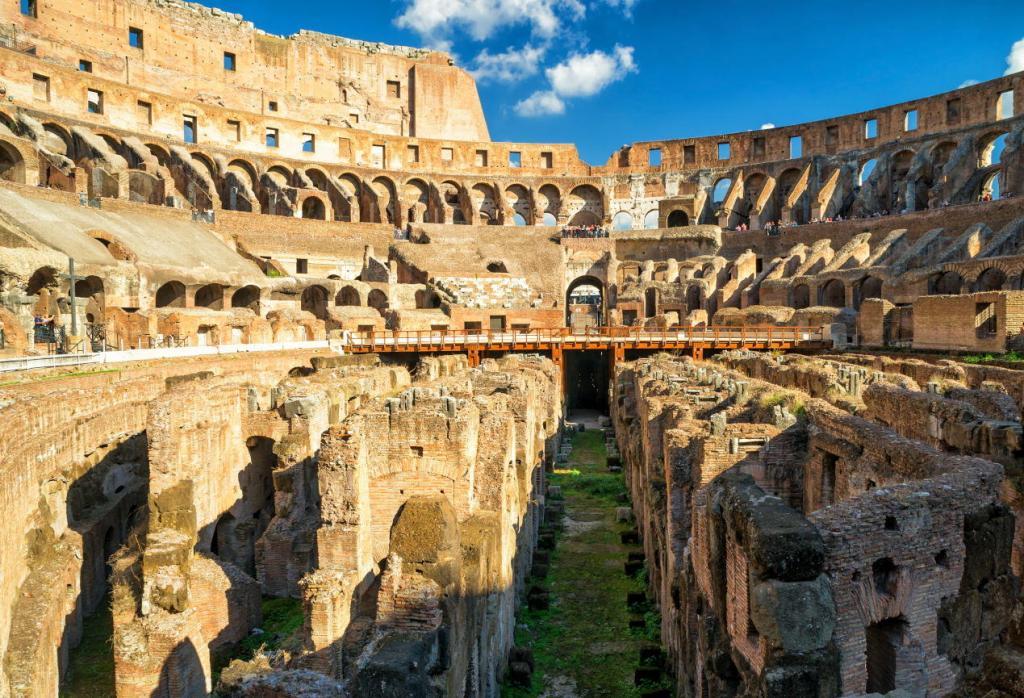
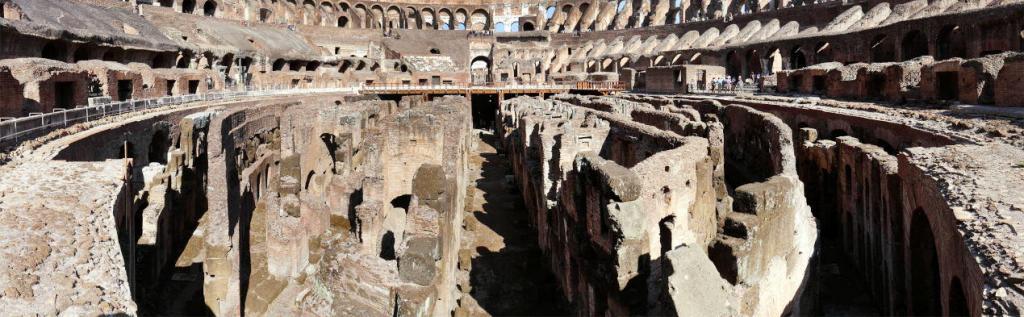
Have you ever wondered what secrets lay hidden beneath the Colosseum’s arena floor? The Hypogeum is the vast underground substructure of the Colosseum – essentially the backstage area where the magic behind ancient Rome’s grand spectacles happened. Built roughly a decade after the Colosseum’s inauguration by Emperor Domitian (around 90 AD), the Hypogeum (a term meaning “underground” in Greek) was constructed once the Romans decided to stop flooding the arena for mock naval battles. In the Colosseum’s early years, the arena could be filled with water for extravagant ship combats, but Domitian’s addition of the Hypogeum put an end to those aquatic shows in favor of more elaborate land performances.
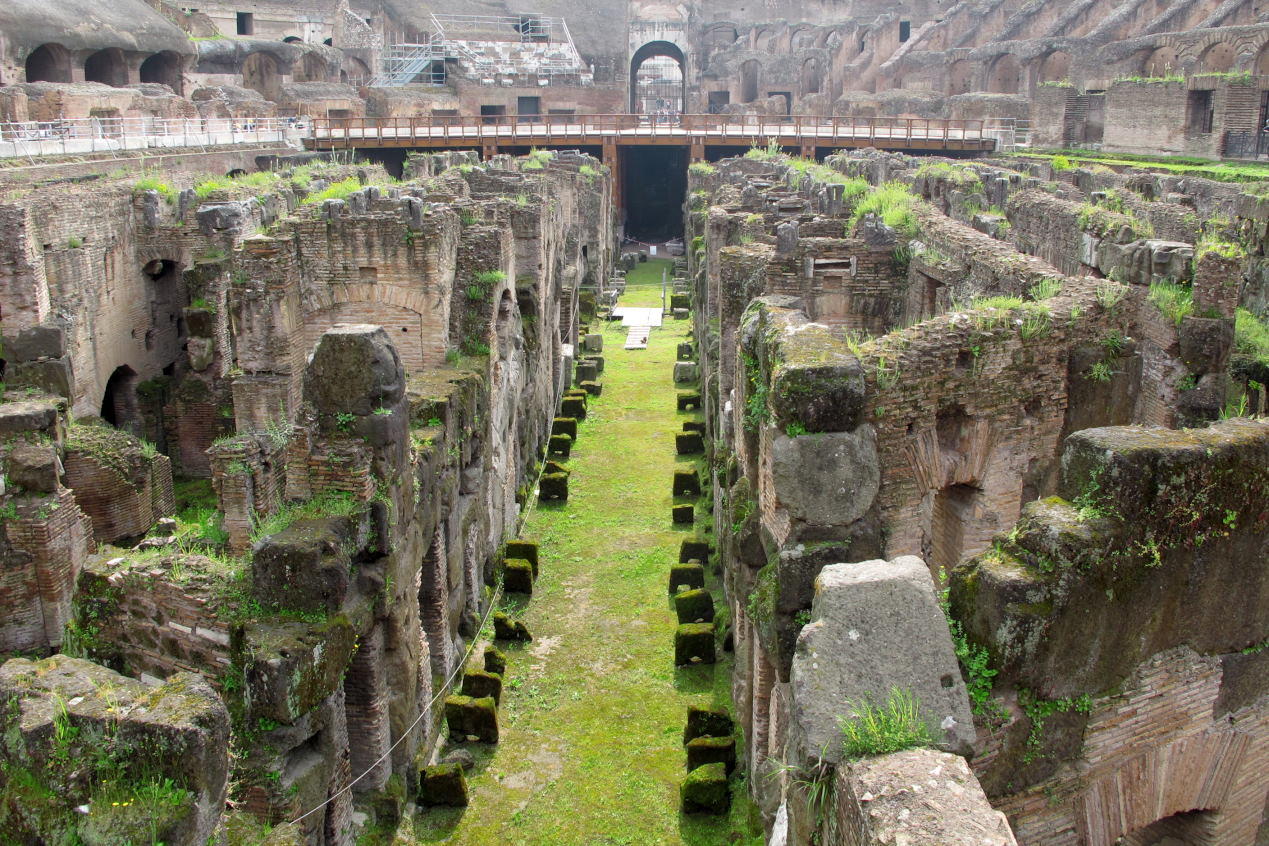
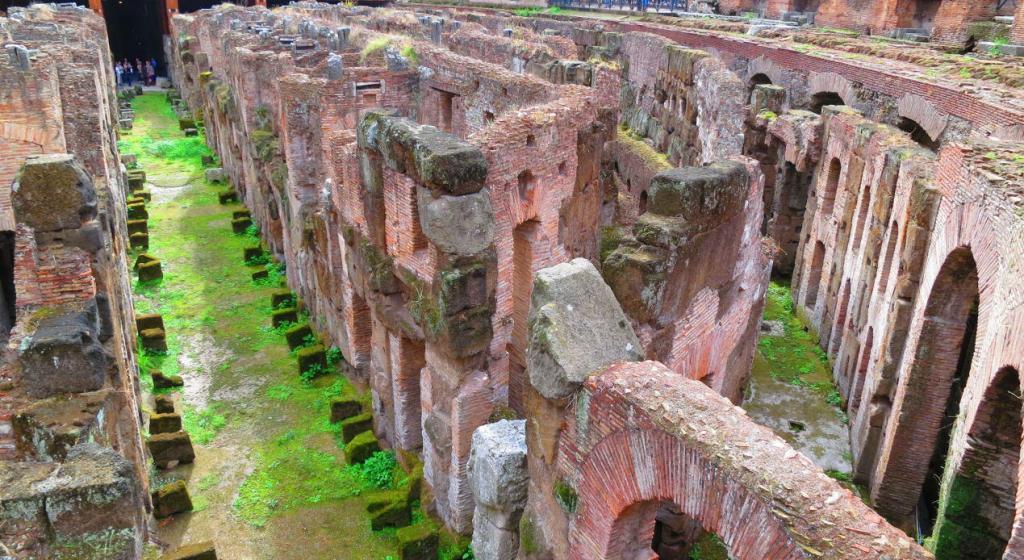
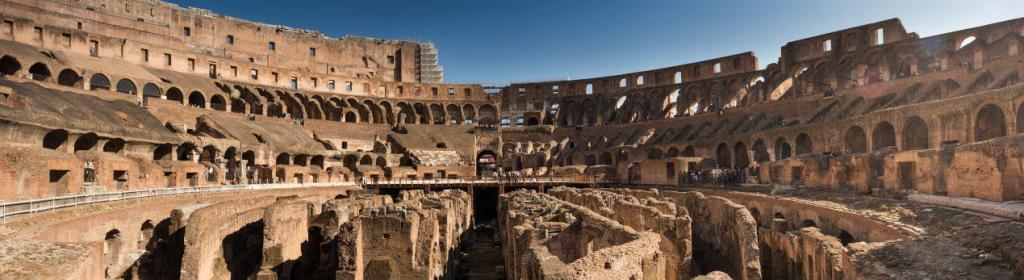
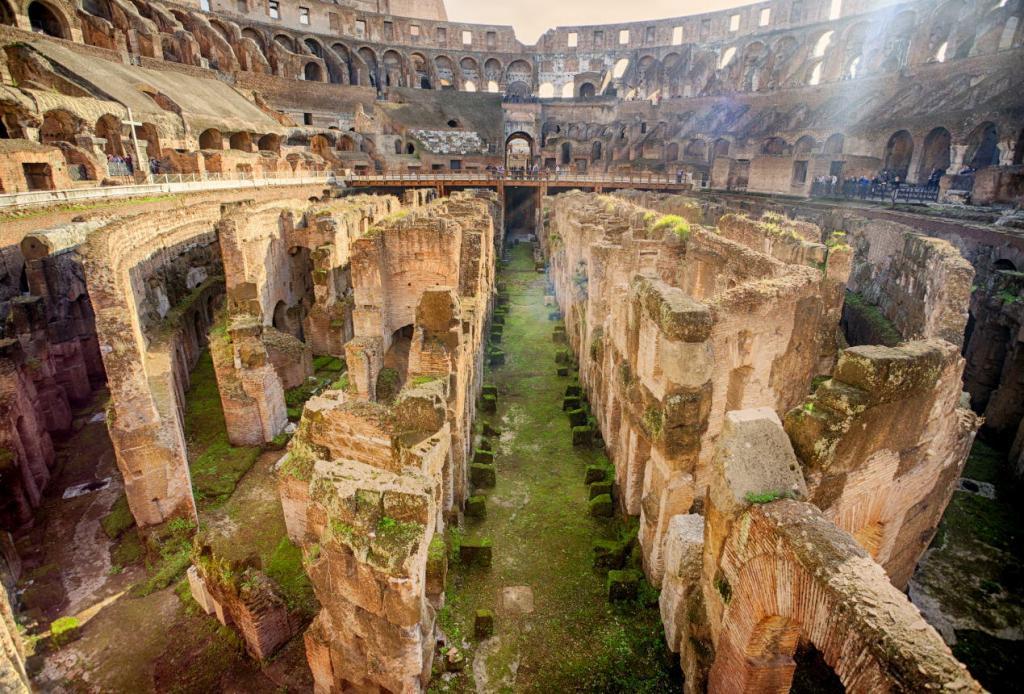
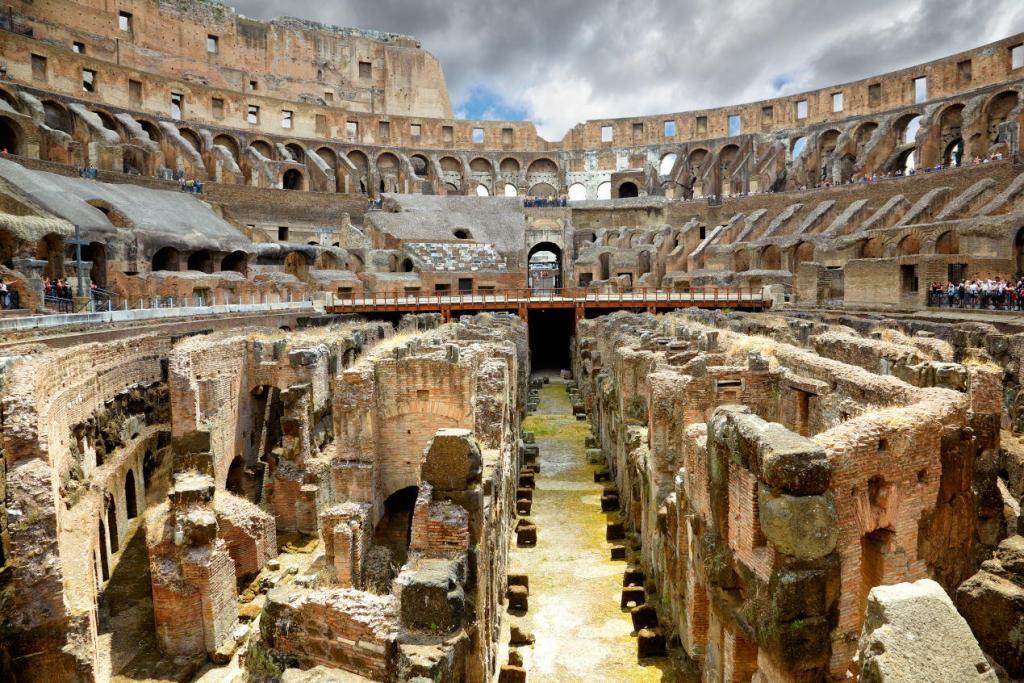
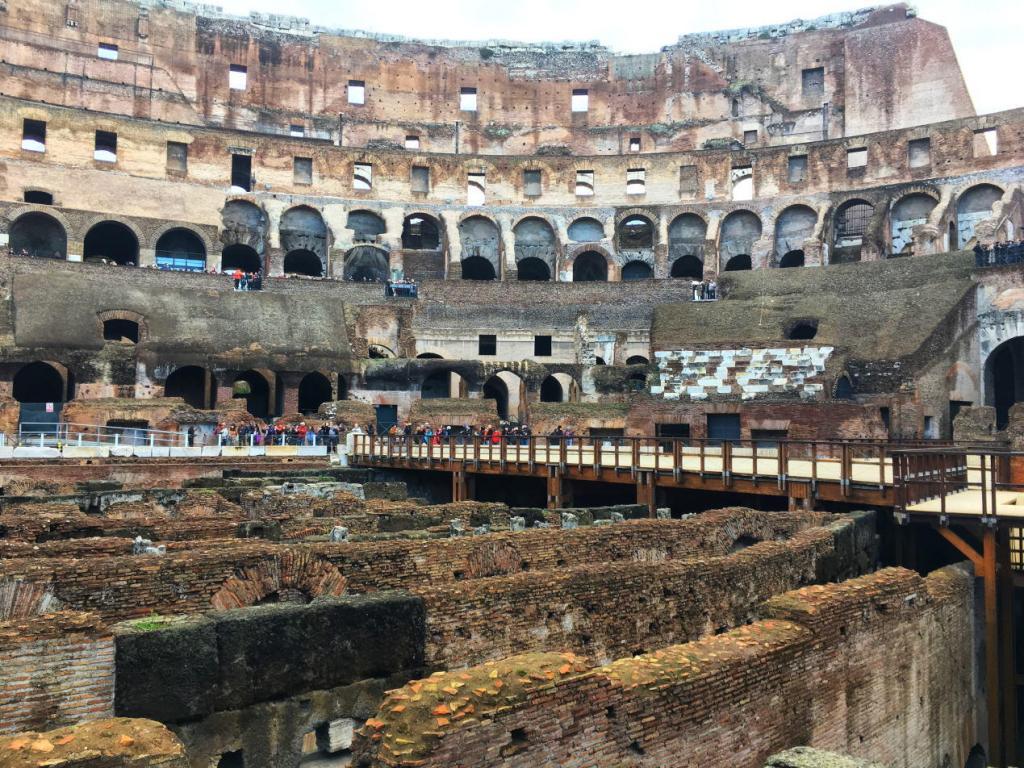
Underground of the Colosseum, the oval amphitheater used for gladiatorial contests and battles
Design and Structure
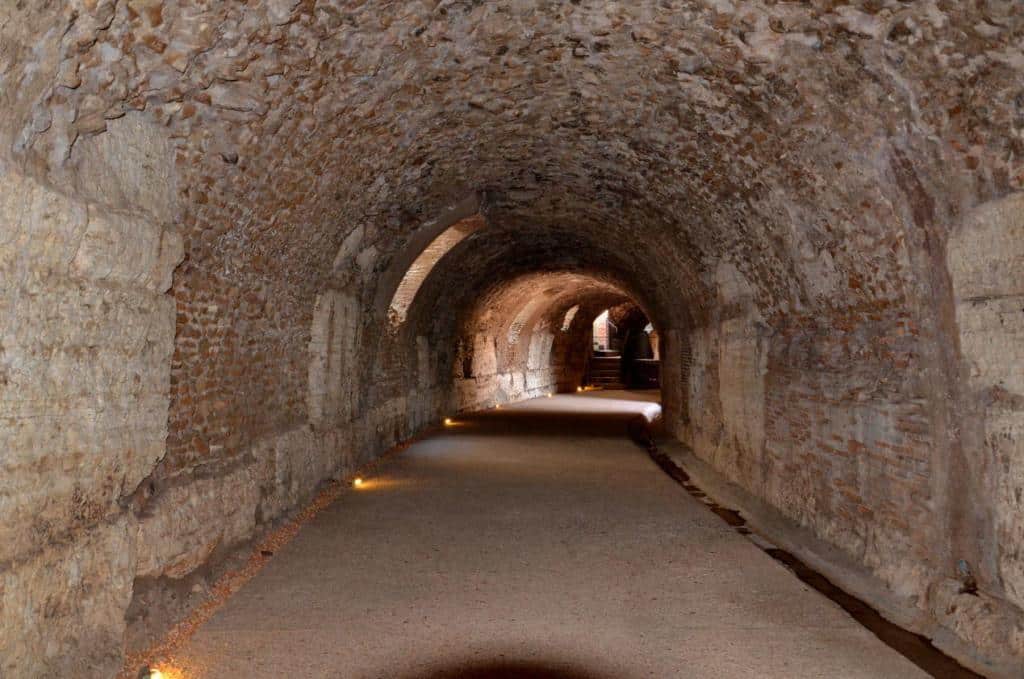
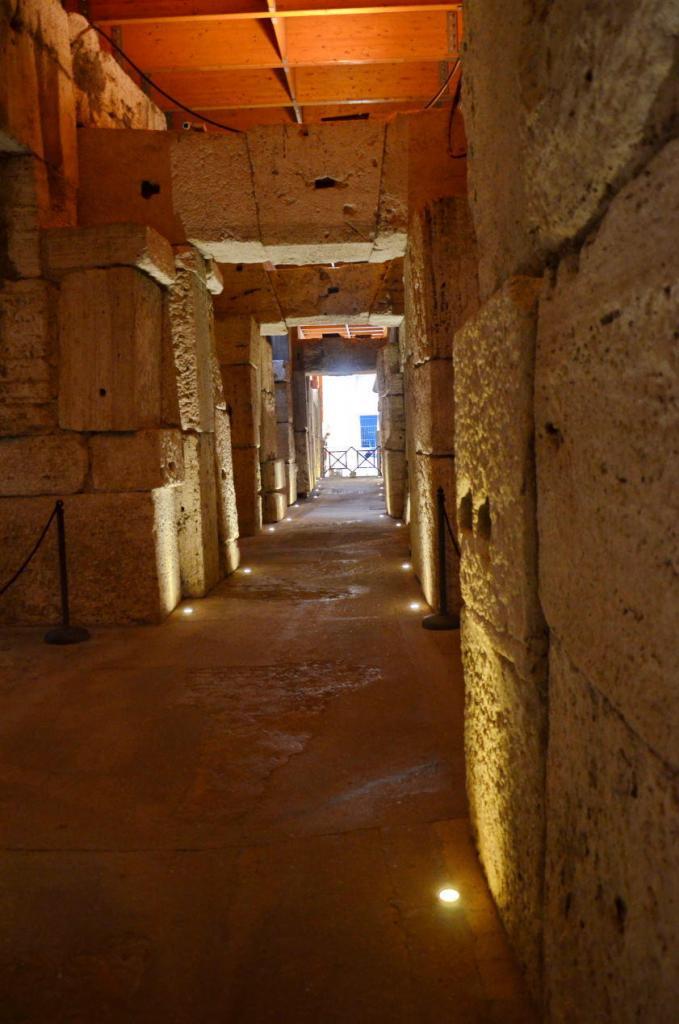
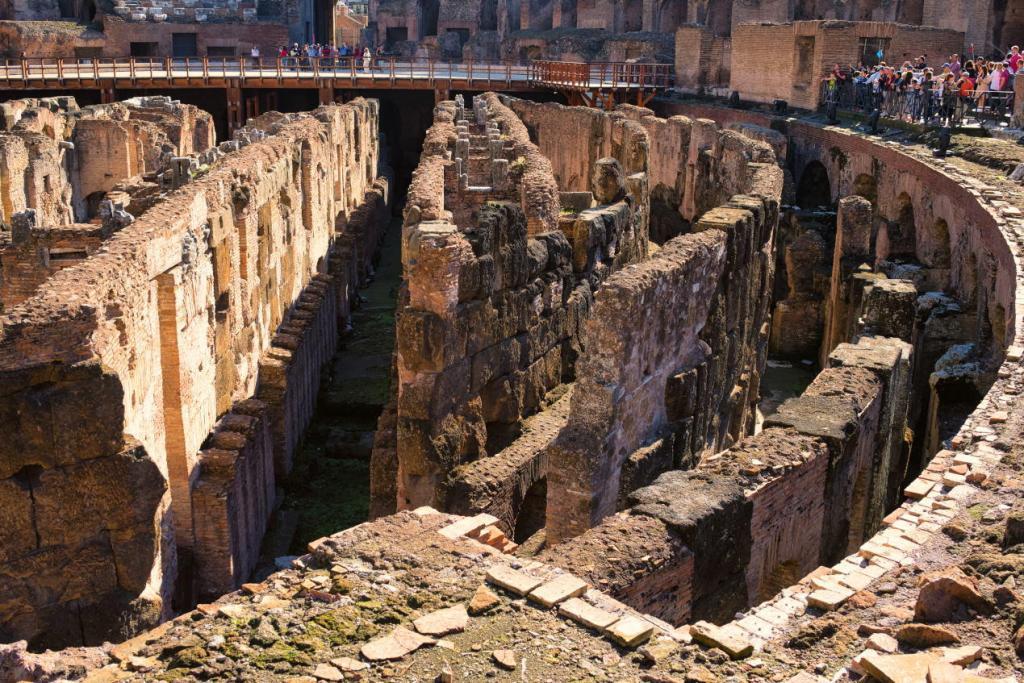
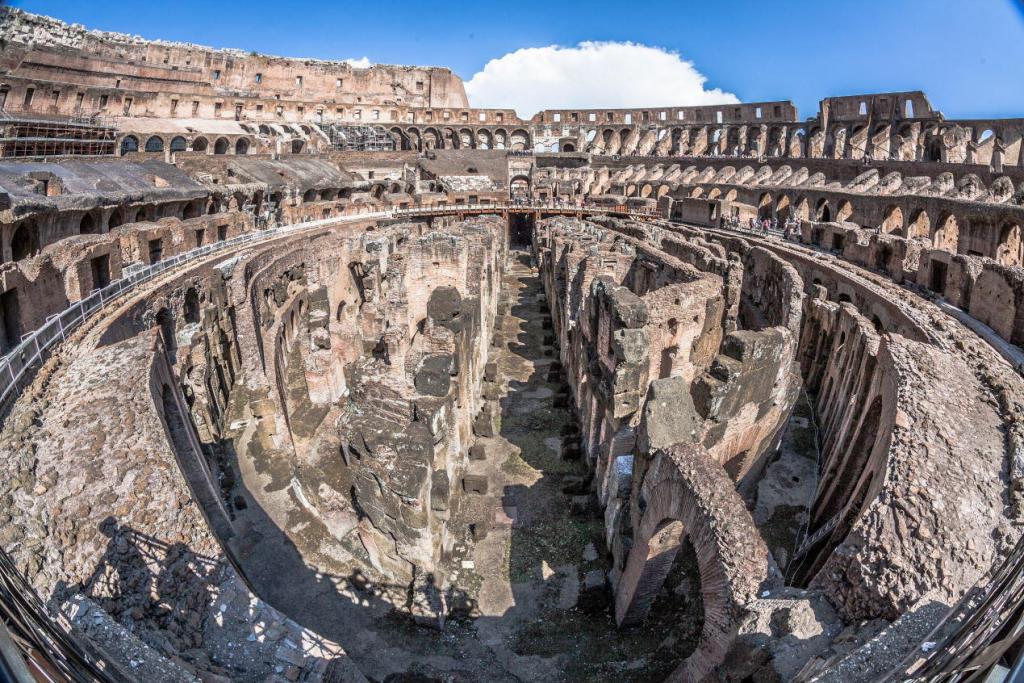
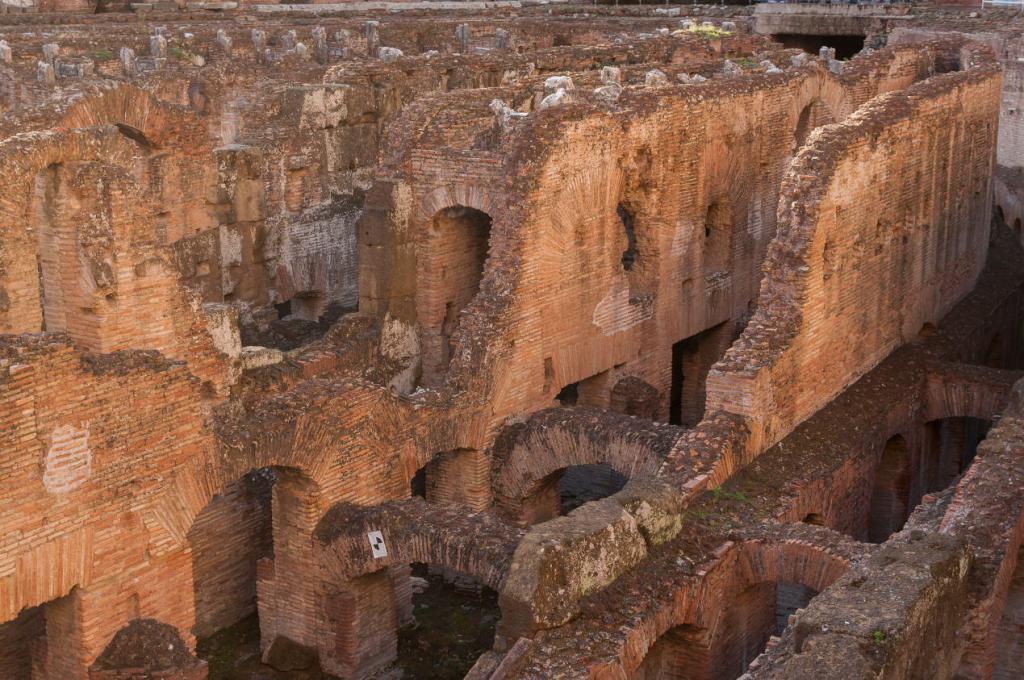
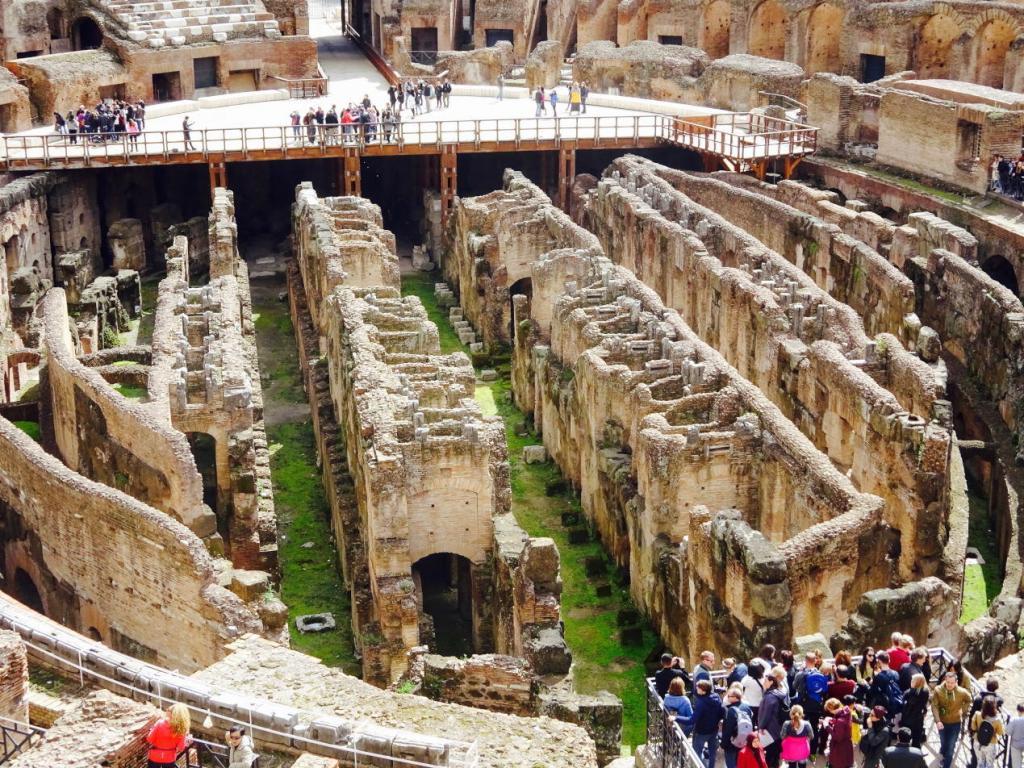
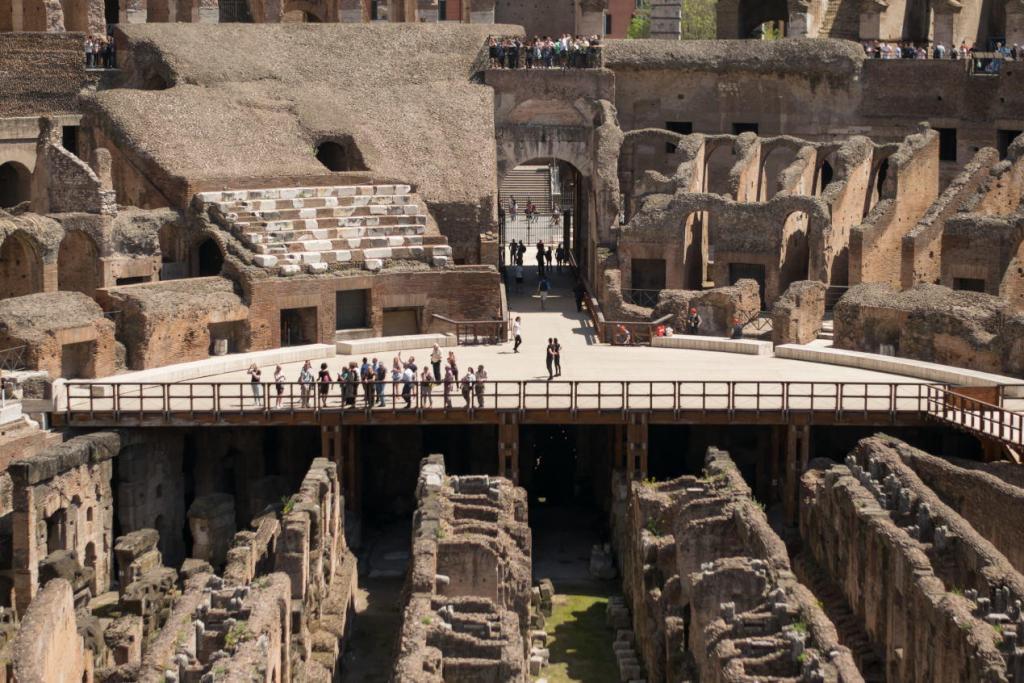
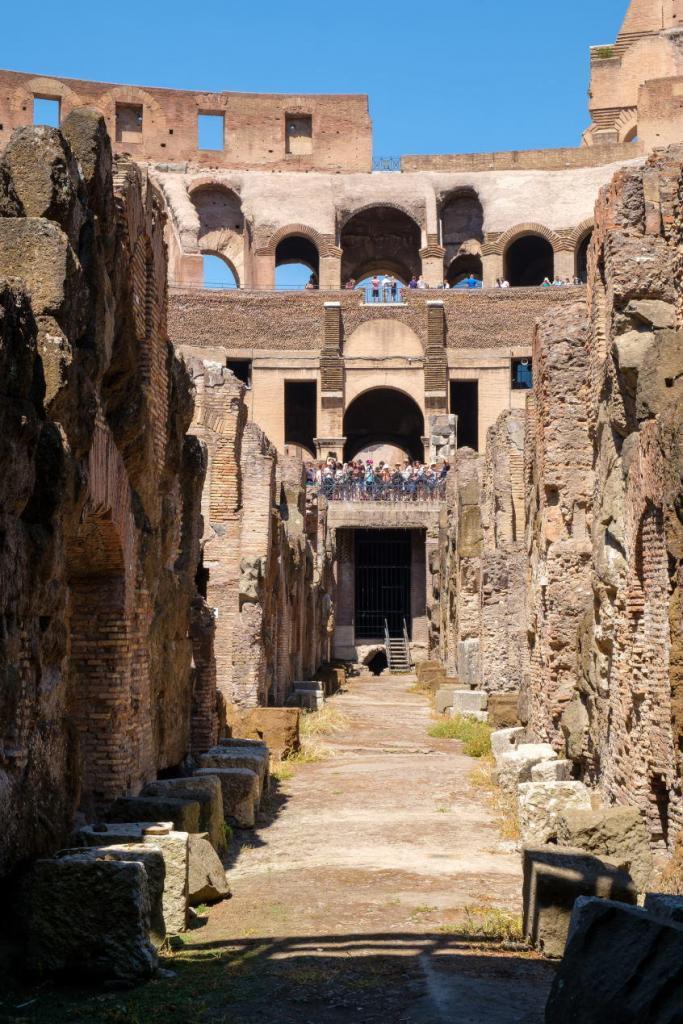
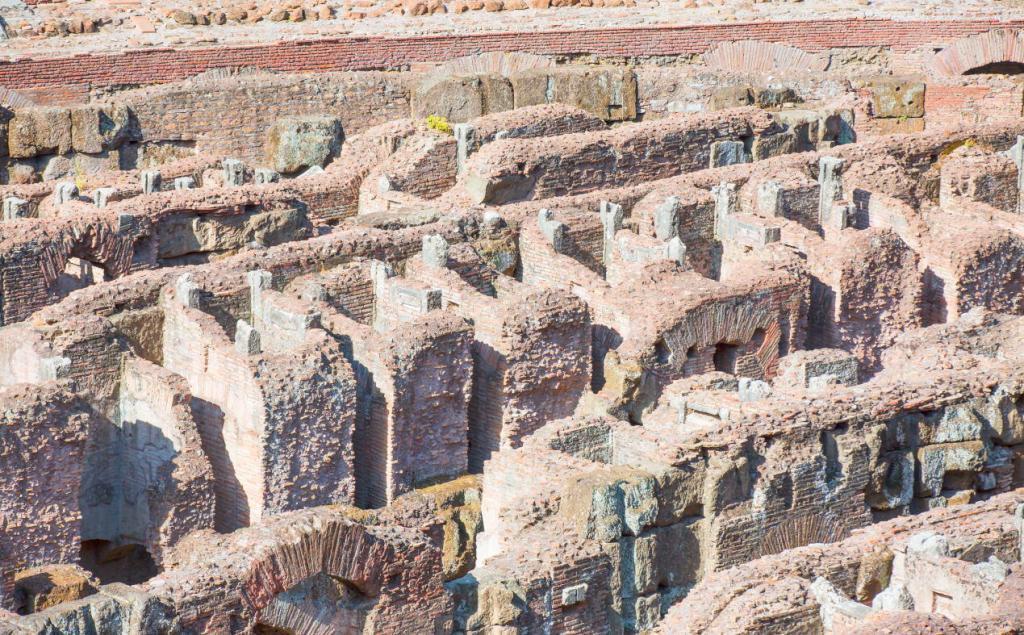
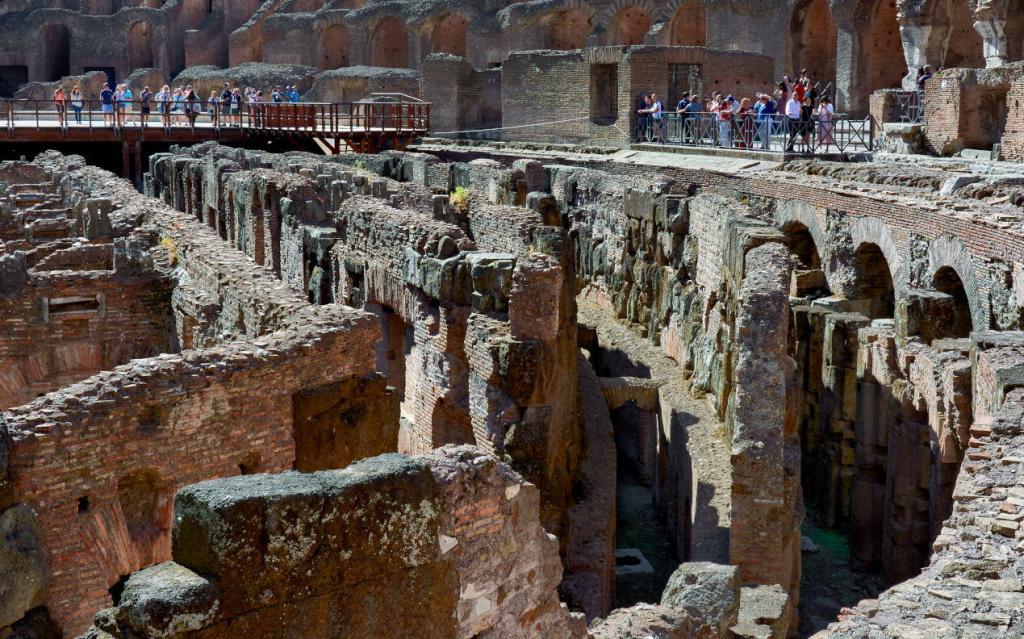
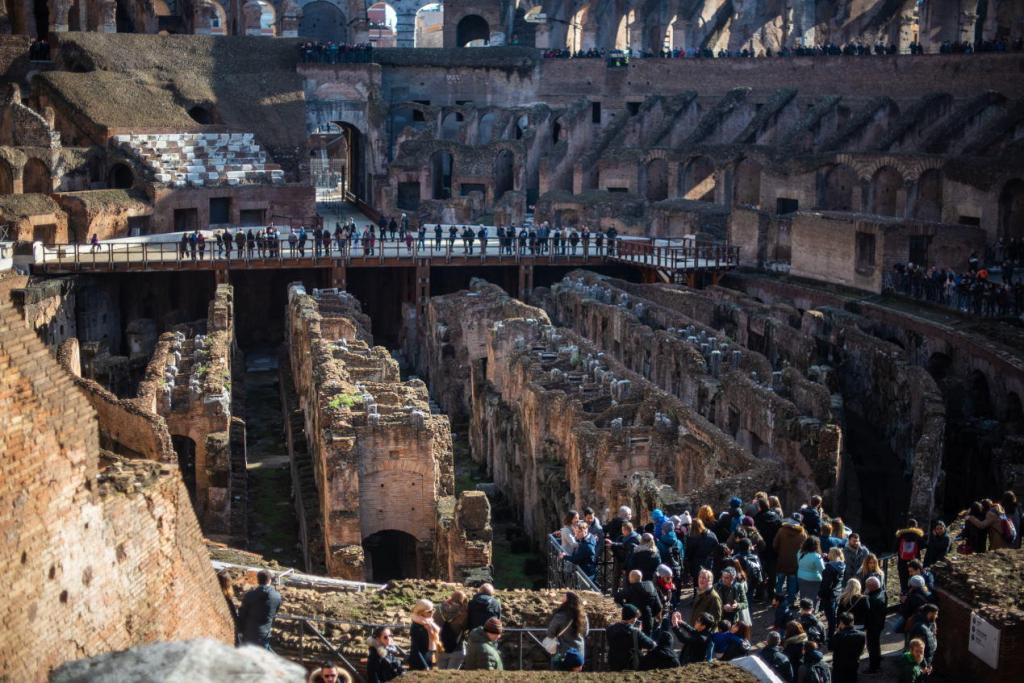
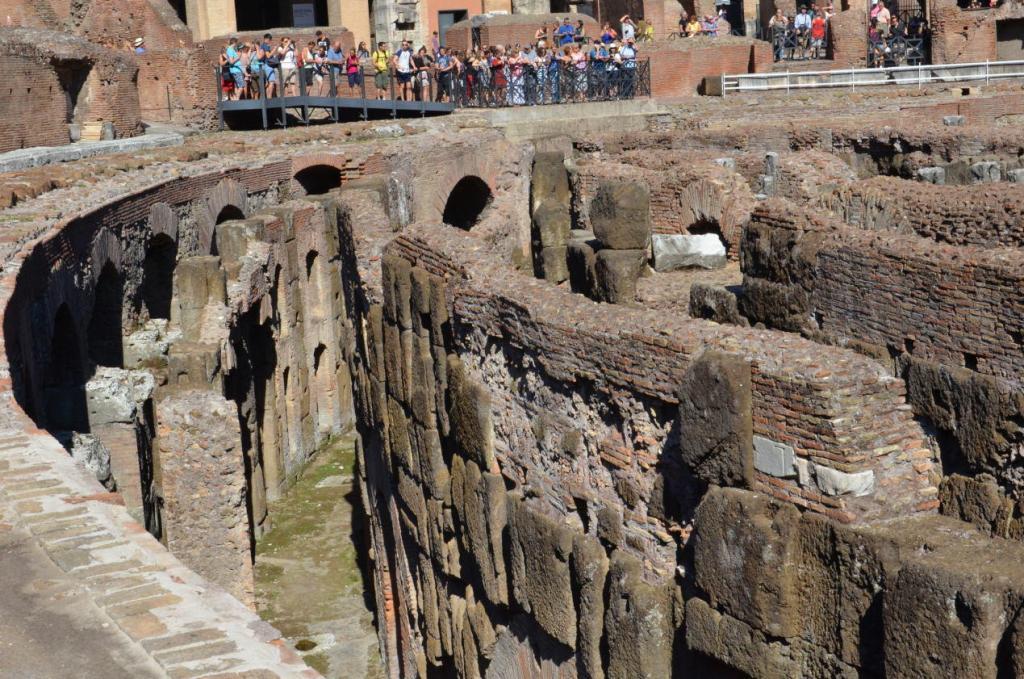
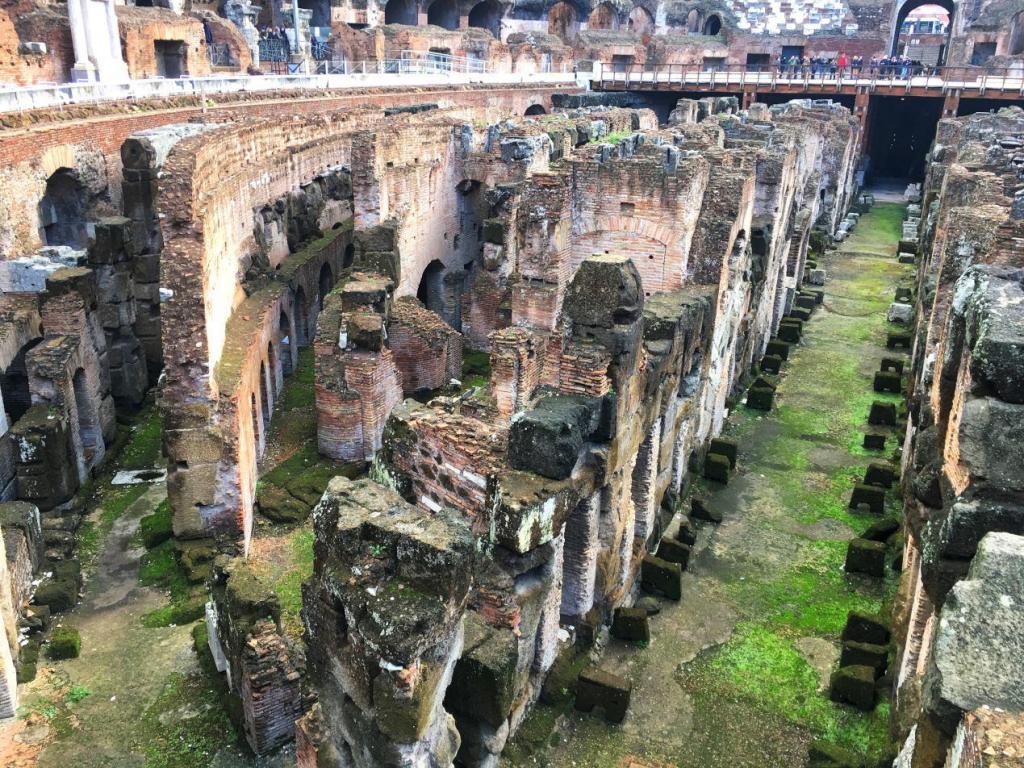
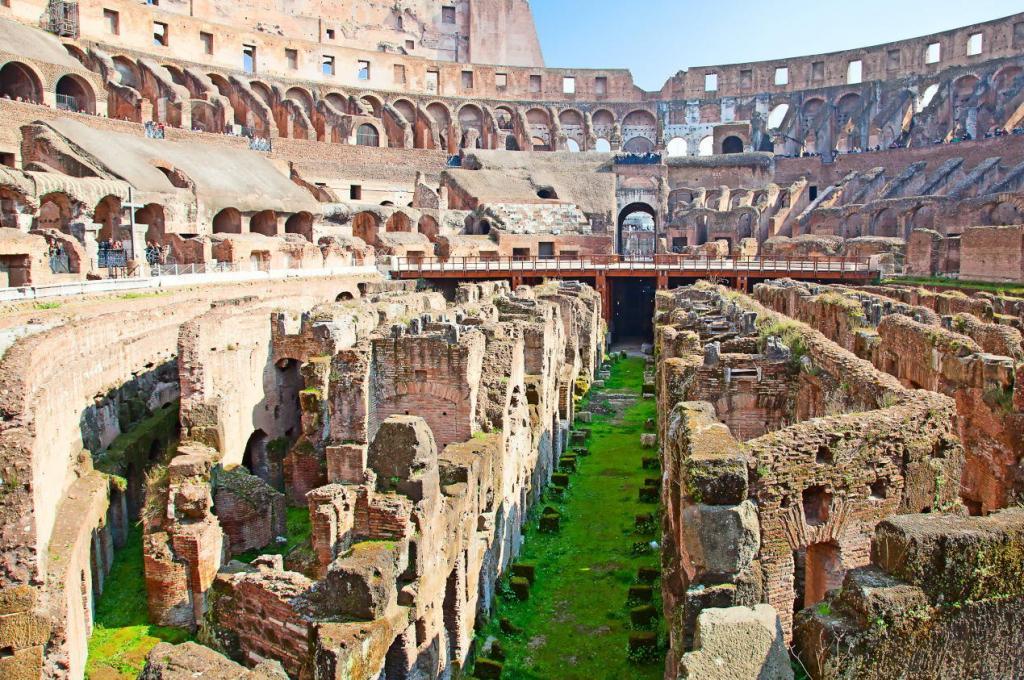
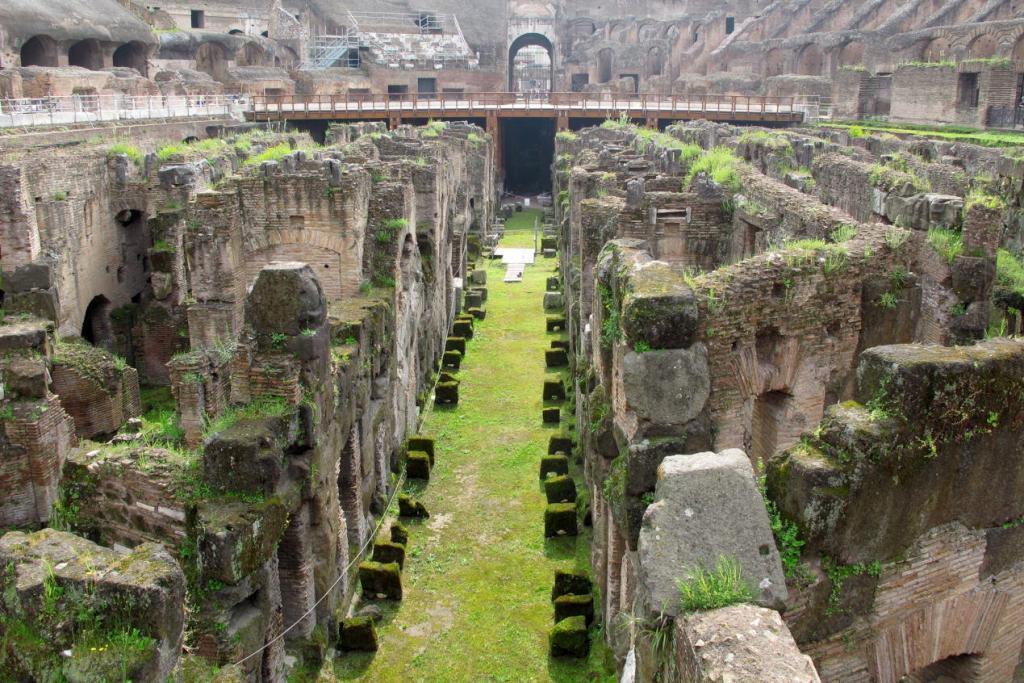
The Hypogeum consisted of a two-level network of tunnels, passages, and chambers built with stone and brick masonry beneath the wooden arena floor. It essentially formed a labyrinthine underground complex divided by two main corridors and many cross-passageways.Countless rooms and cells were constructed without windows or proper ventilation, creating a dark, stuffy environment below the arena. This made the work of the hundreds of slaves down there even more challenging. In many ways it was like the backstage of a grand theater – except it was hidden under the floor and filled with dangerous animals and anxious fighters. The arena’s wooden floor above was covered in sand (in fact, the Latin word for sand, harena, gives us the word “arena”) to absorb blood and provide grip. Underneath that sandy floor lay all of the Hypogeum’s secrets.
Operations and Mechanisms
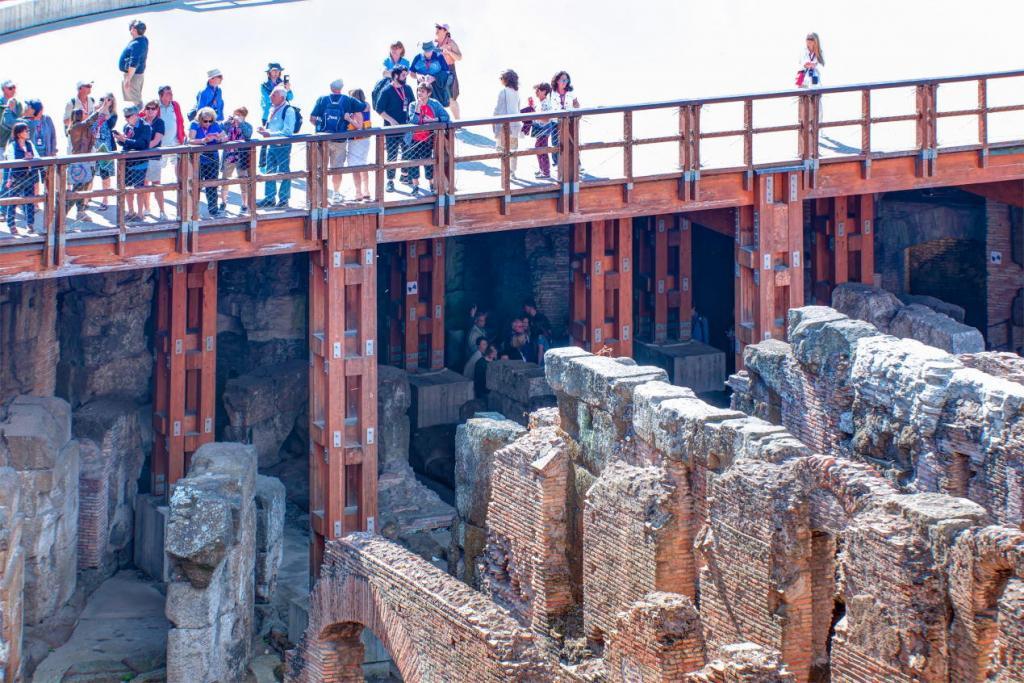
Within these cramped service corridors, a small army of workers labored to run the spectacles smoothly. By torchlight, slaves operated an array of elevators, pulleys, winches, and trapdoors that allowed gladiators, animals, and scenery to be lifted into the arena as if by magic. Approximately 80 vertical shafts were built into the Hypogeum structure, enabling instant access to the arena from below. At a moment’s notice, stagehands could hoist up a cage and send a hungry lion or tiger roaring through a trapdoor into the spotlight. Picture the scene: the crowd gasping as a ferocious beast suddenly appeared from beneath the floor – it must have felt like a special effect in the ancient world.
There were also larger freight elevators for heavier loads, operated by teams of men turning great wooden winches called capstans. These robust lifts could even bring up massive set pieces or even elephants for the most spectacular processions. All that complex machinary was powered entirely by human muscle and clever engineering hidden under the arena. (It’s hard not to marvel at the ingenuity – and also the brutality – that went into these productions.)
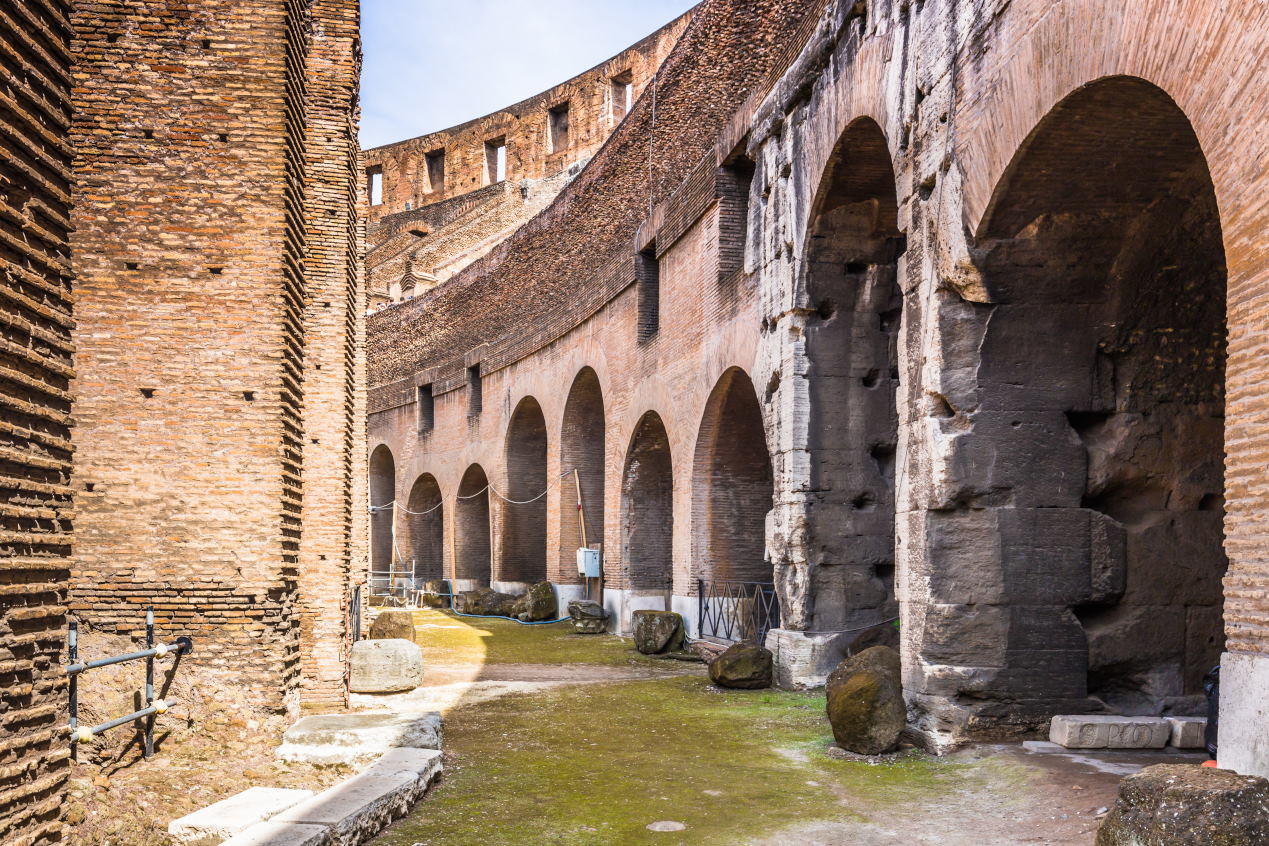
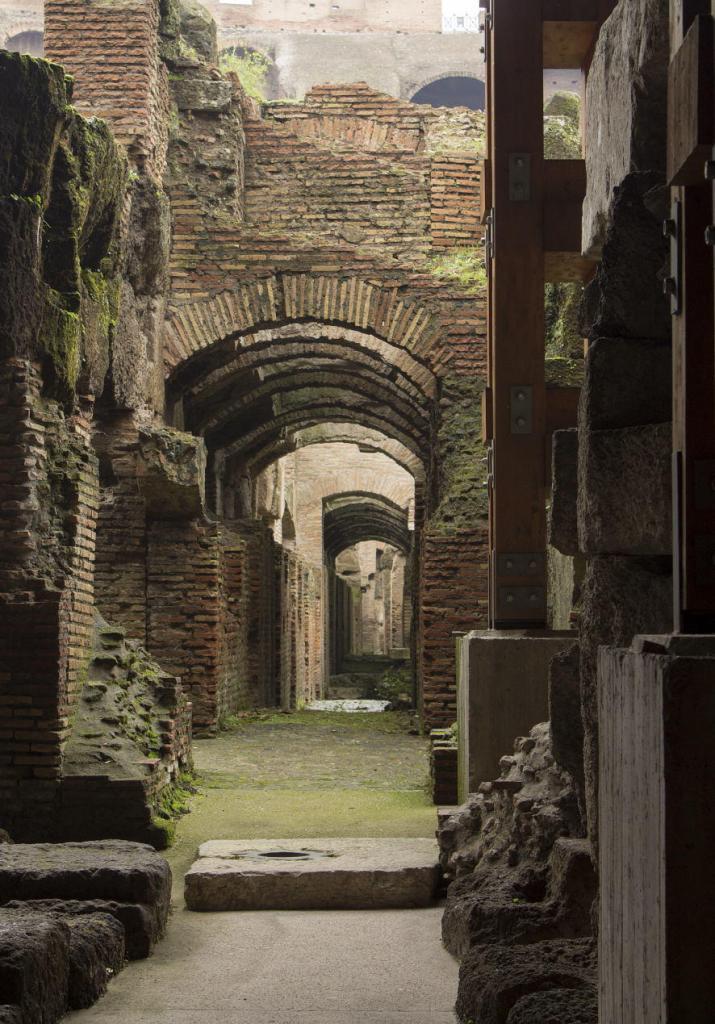
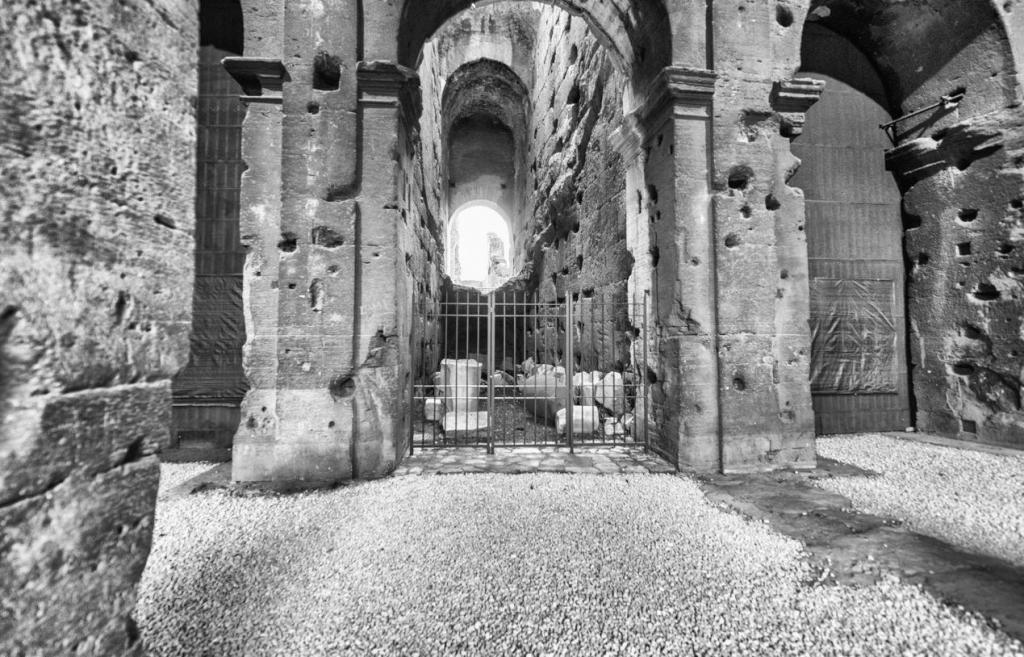
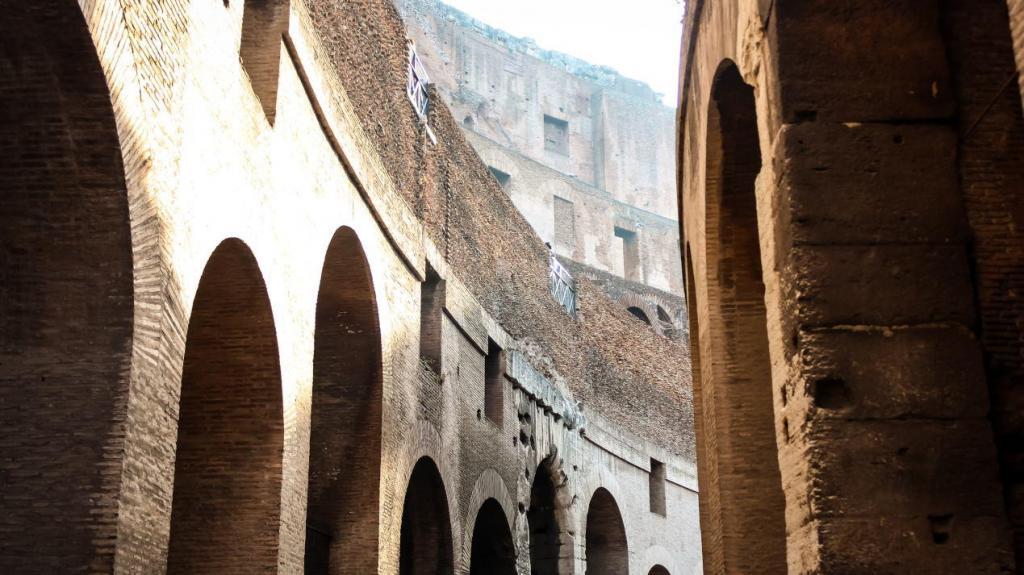
The archways inside the Colosseum, Rome
Gladiators and Underground Life
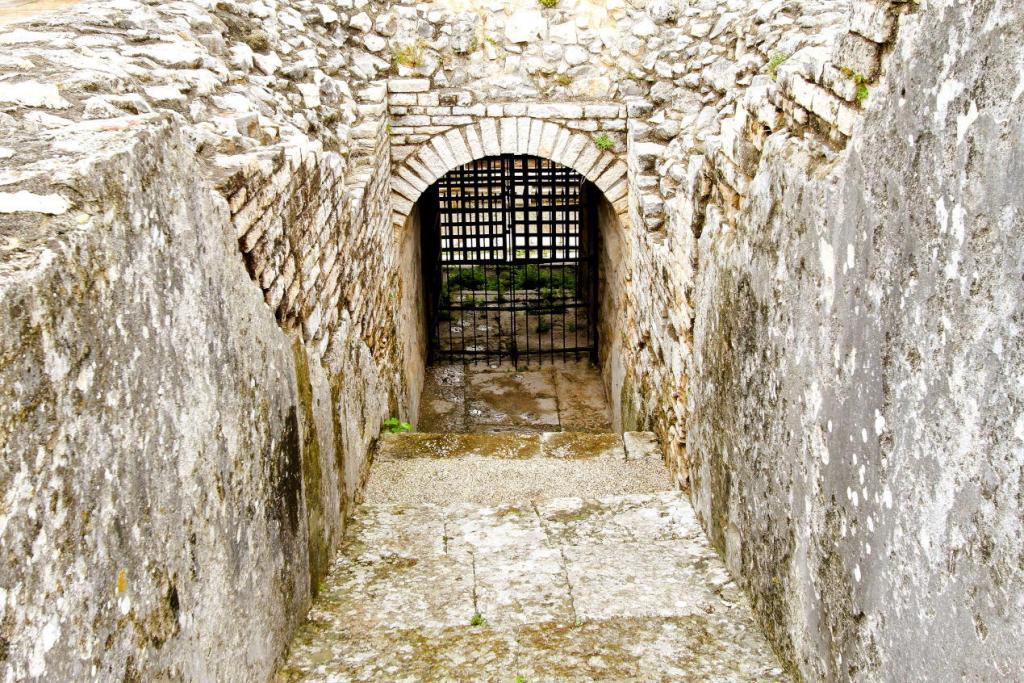
The animals weren’t the only ones waiting below the arena. The Hypogeum also contained preparation and holding areas for the gladiators themselves. A tunnel on the east side of the amphitheater connected the Colosseum to the Ludus Magnus – the largest gladiator training school in Rome – allowing fighters to arrive directly into the arena complex from their barracks. Through this passage, gladiators would enter the amphitheater away from the public’s view. They emerged into the sunlight through the Porta Triumphalis (Gate of Triumph) when it was time to fight, often rising up in wooden elevators to make a dramatic entrance. After the battles, wounded gladiators could be whisked back into the Hypogeum and taken to a chamber known as the Sanitarium, essentially a field hospital, where medics tended to their injuries. The organizers had a vested interest in patching up skilled fighters so they could fight another day – they didn’t want their best combatants dying each time they fought.
Roman authorities also took precautions to maintain strict order in this subterranean world. Ever since the infamous rebellion led by Spartacus decades earlier, officials were wary of armed fighters banding together against them. It’s likely that heavy security and careful oversight were enforced whenever gladiators moved through the tunnels or waited below, to prevent any plots of escape or uprising. The Colosseum’s underground was tightly controlled – a tense, high-stakes environment for everyone involved, not just those about to step into combat.
Rediscovery and Excavation
Long after the last gladiatorial games were held in the Colosseum (by the 5th century AD), the Hypogeum was abandoned and gradually buried by debris. Over the centuries, the underground structure filled up with earth and rubble, and its very existence faded from memory. It wasn’t until the 19th century that archaeologists began to excavate this area to uncover what lay beneath the arena. Early attempts in the 1800s faced setbacks – in 1813 and 1874, digs were halted by flooding groundwater – but finally, in the 1930s, a major excavation under Benito Mussolini’s direction succeeded in fully clearing the subterranean complex.
Workers removed some 40 feet of soil to expose the long-hidden corridors and chambers. Today the the Hypogeum stands in ruins but is clearly visible, allowing us to appreciate the engineering genius of ancient Rome. Its empty passageways and reconstructed platforms serve as a haunting reminder of the human drama that once unfolded below the arena floor.
Passageways of the Hypogeum:
1- The Gate of Life: This was the main passage for gladiators to enter the Colosseum and, for the fortunate, the route to exit alive. Gladiators stepped into the arena through this gate, and victors would later depart through it back to their barracks. This tunnel also provided access to several important facilities:
a. Sanitarium – an infirmary where wounded gladiators received medical care.
b. Ludus Magnus – the “Great School”, which was the largest gladiator training school adjacent to the Colosseum.
c. Ludus Matutinus – the “Morning School”, a training center for beast-fighters (*bestiarii*) who battled wild animals (so named because beast hunts were often held in the morning).
d. Ludus Dacius – a gladiator school dedicated to fighters from Dacia or those who fought in a Dacian style.
e. Ludus Gallicus – a gladiator school focused on Gallic warriors and fighting techniques.
2- The Libitinarian Gate (Gate of Death): This was the tunnel used to remove gladiators who had fallen in combat. Named after Libitina, the goddess of funerals, it was the somber passage through which corpses were carried out of the arena. Connected to this gate were two key areas:
a. Spoliarium – the chamber where the bodies of dead gladiators were taken to be stripped of their armor and weapons (the Romans would salvage armor as valuable equipment).
b. Armamentarium – the armory where weapons and armor were stored and maintained.
3- Passaggio di Commodus: This was a special private passage created for Emperor Commodus, who infamously took part in the games himself. The tunnel allowed Commodus to move to and from the arena securely and out of sight of the public. In essence, it was his VIP entrance to the Colosseum, used on occasions when the Emperor donned armor and stepped into the arena to perform (albeit under carefully controlled conditions).
4- Summum Choragium Tunnel: The fourth major tunnel led to the Summum Choragium – essentially the main workshop and storage area for the Colosseum’s performances. This is where stage sets, props, and other equipment were prepared and kept. The passage allowed crew members to transport scenery and machinery in and out of the arena efficiently. In modern terms, it was like the backstage equipment room, ensuring that elaborate sets and special apparatus could be brought in for the next spectacle.
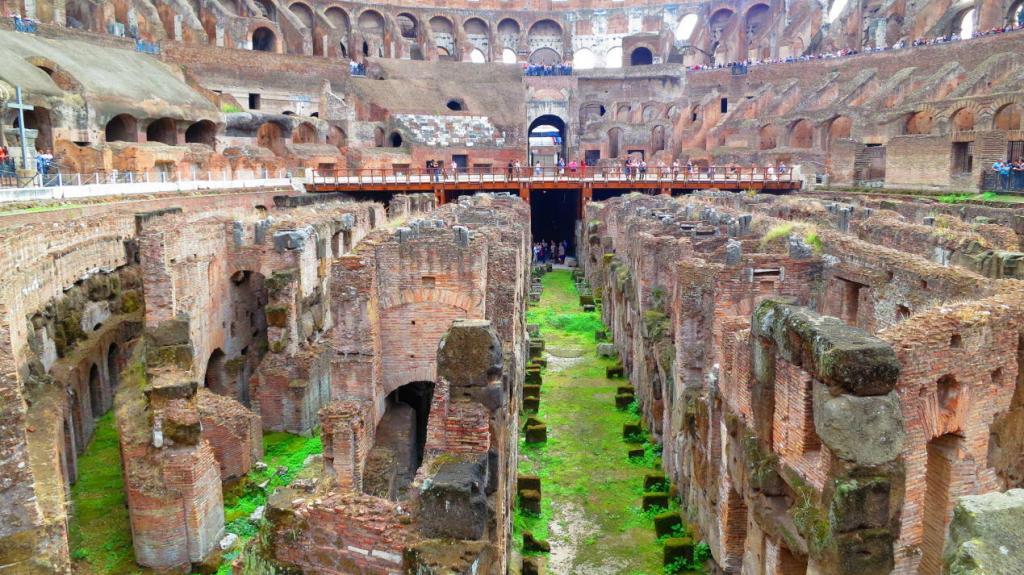
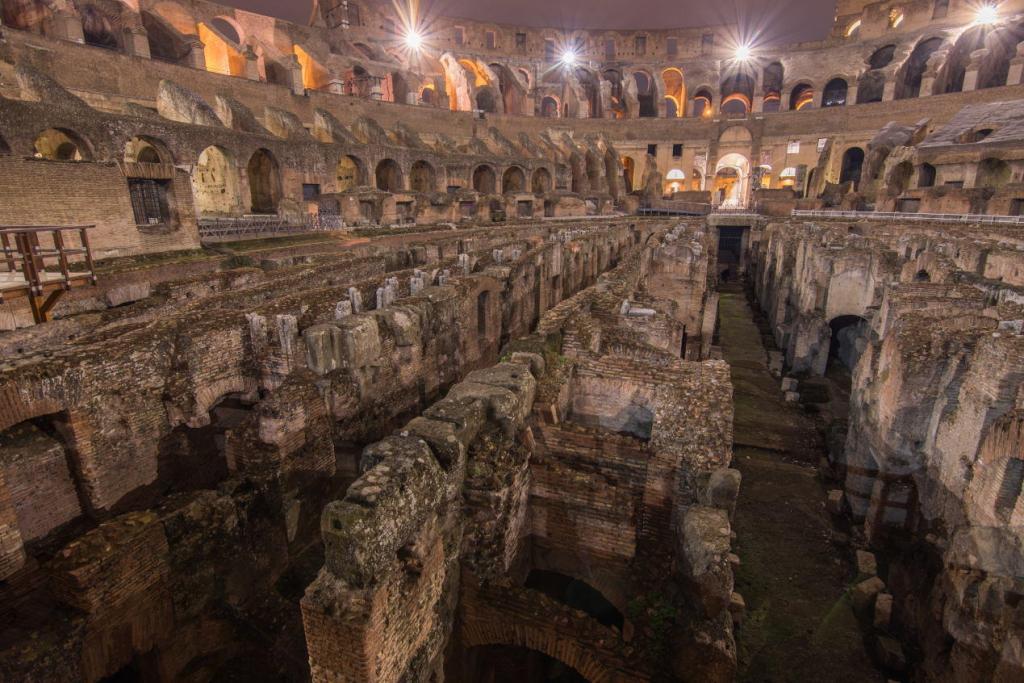
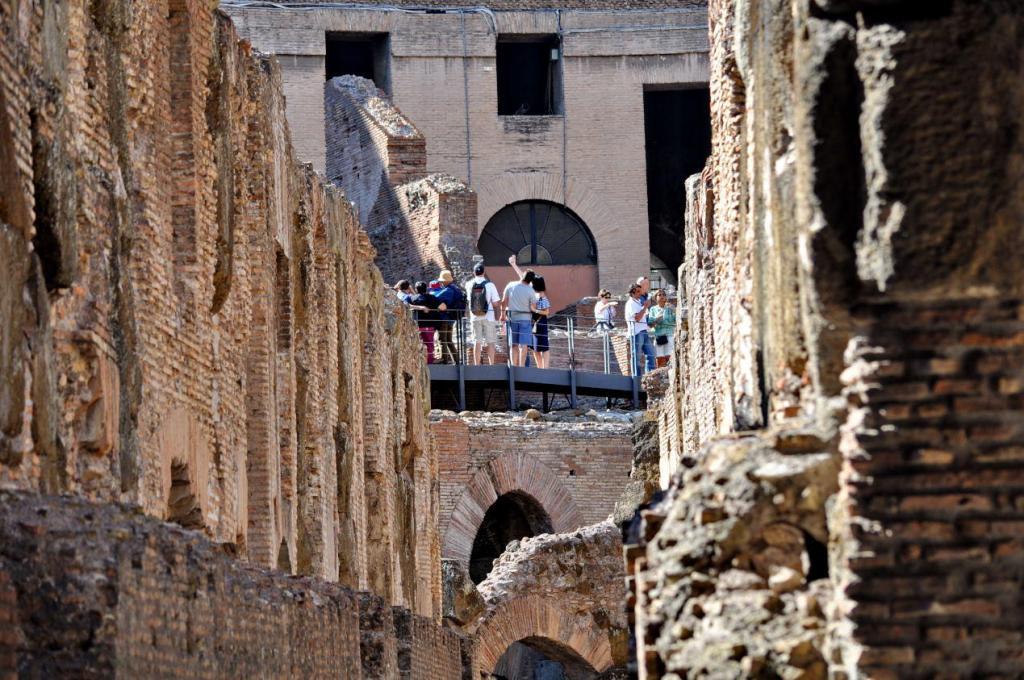
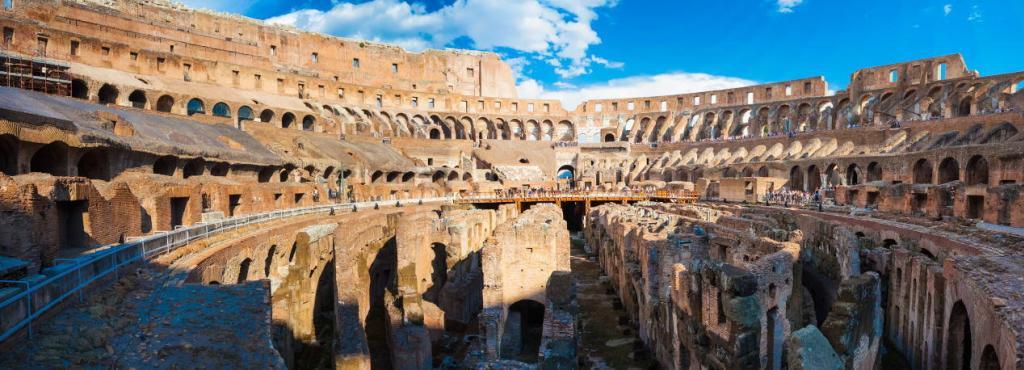
Hypogeum of Colosseum Photos:


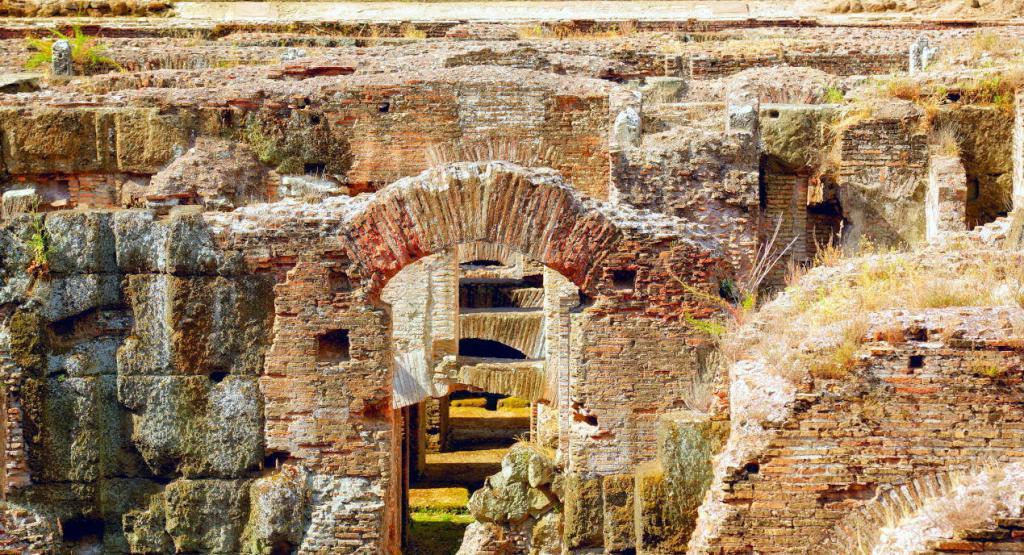
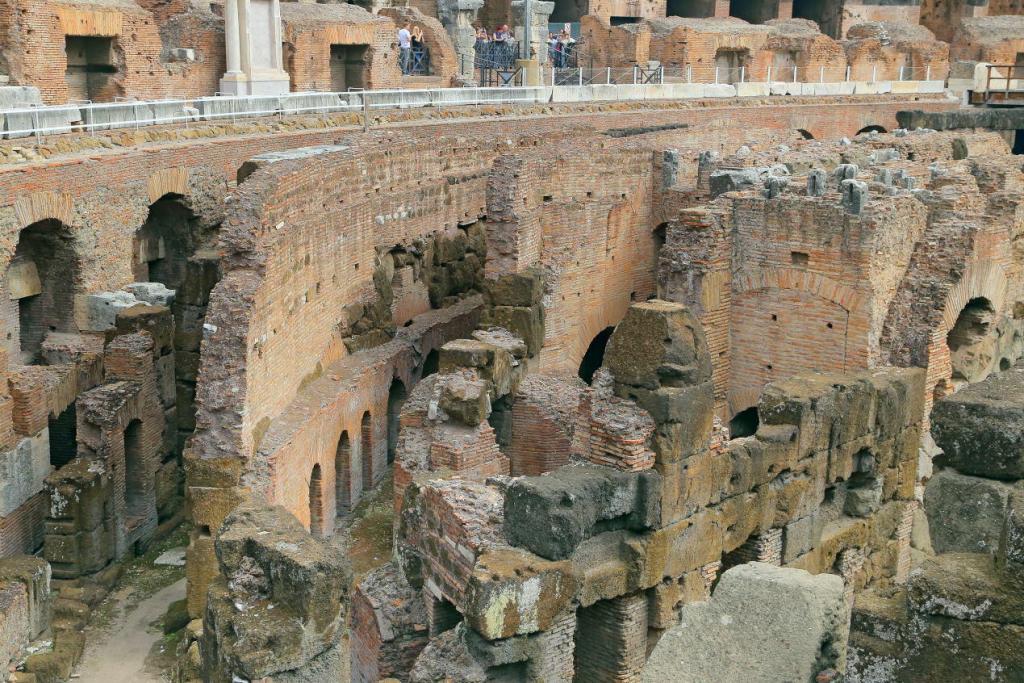









Hypogeum of Colosseum Tours & Tickets:
from €24 EUR
Availability: Currently sold out
Availability checked 1 October 2026; no selectable basic Underground session was shown in the October booking calendar. Later dates may not yet be on sale.
Validity: 2 Days
Seller: Parco archeologico del Colosseo
from €32 EUR
Availability: Currently sold out
Availability checked 1 October 2026; no selectable educational Underground session was shown in the October booking calendar. Later dates may not yet be on sale.
Duration: 1 h. 15 Min.
Seller: Parco archeologico del Colosseo
from €79.00 EUR
Duration: 1.5 Hours
Organized by: RomanGuides
255 Reviews
from €230.00 EUR
Duration: 2.5 Hours
Organized by: Vivicos International Travel
83 Reviews
from €200.00 EUR
Duration: 3 Hours
Organized by: T&T Empire
854 Reviews
from €70.00 EUR
Duration: 3 Hours
Organized by: Tours of Rome SRLS
1.100 Reviews
from €60.00 EUR
Duration: 3 Hours
Organized by: Atlas Tours and Experiences
1.213 Reviews
from €89.00 EUR
Duration: 75 Minutes – 3 Hours
Organized by: The Ultimate Italy
5.037 Reviews
from €129.00 EUR
Duration: 3 Hours
Max group size: Limited to 6 participants
Organized by: Eyes of Rome Private Tours
702 Reviews
from €475.00 EUR
Duration: 3 hours
Organized by: CityEyes Private Tours
72 Reviews
Great article. Thank you!